DISCOVER PROJECT
Kids - All Languages
Children's Publishing
Screenplay. Fiction. Scene
2026
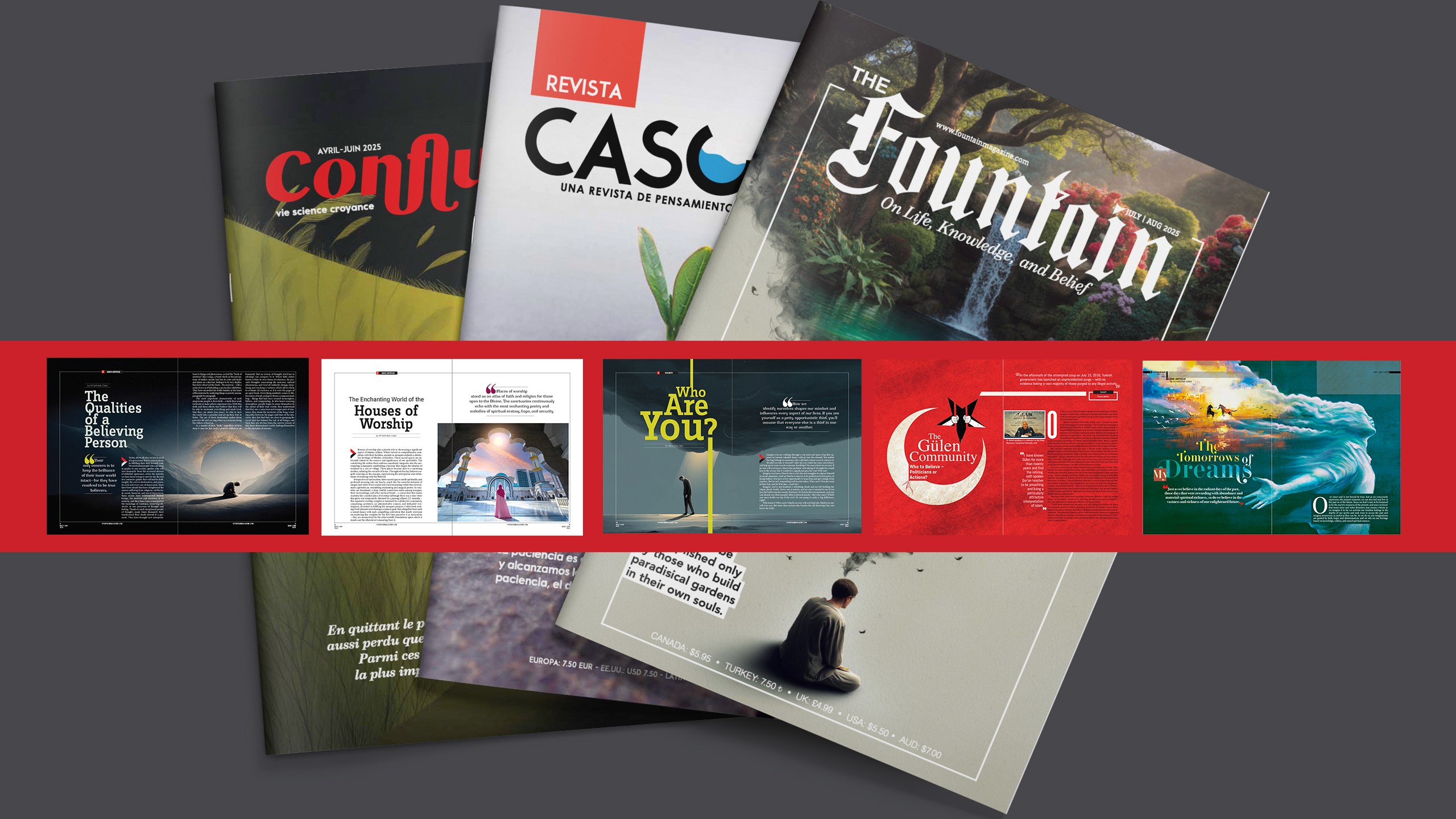
— Today, the area that agencies and publishers invest the most time and budget in is undoubtedly children’s publishing. In this field, pedagogues, illustrators, art directors, and graphic designers must work as a unified team. Without this cohesion, the likelihood of success drops significantly.
SERVICES
AI-supported children’s book production, AI Children's Books, Kids Publishing, Digital Illustration
Overview
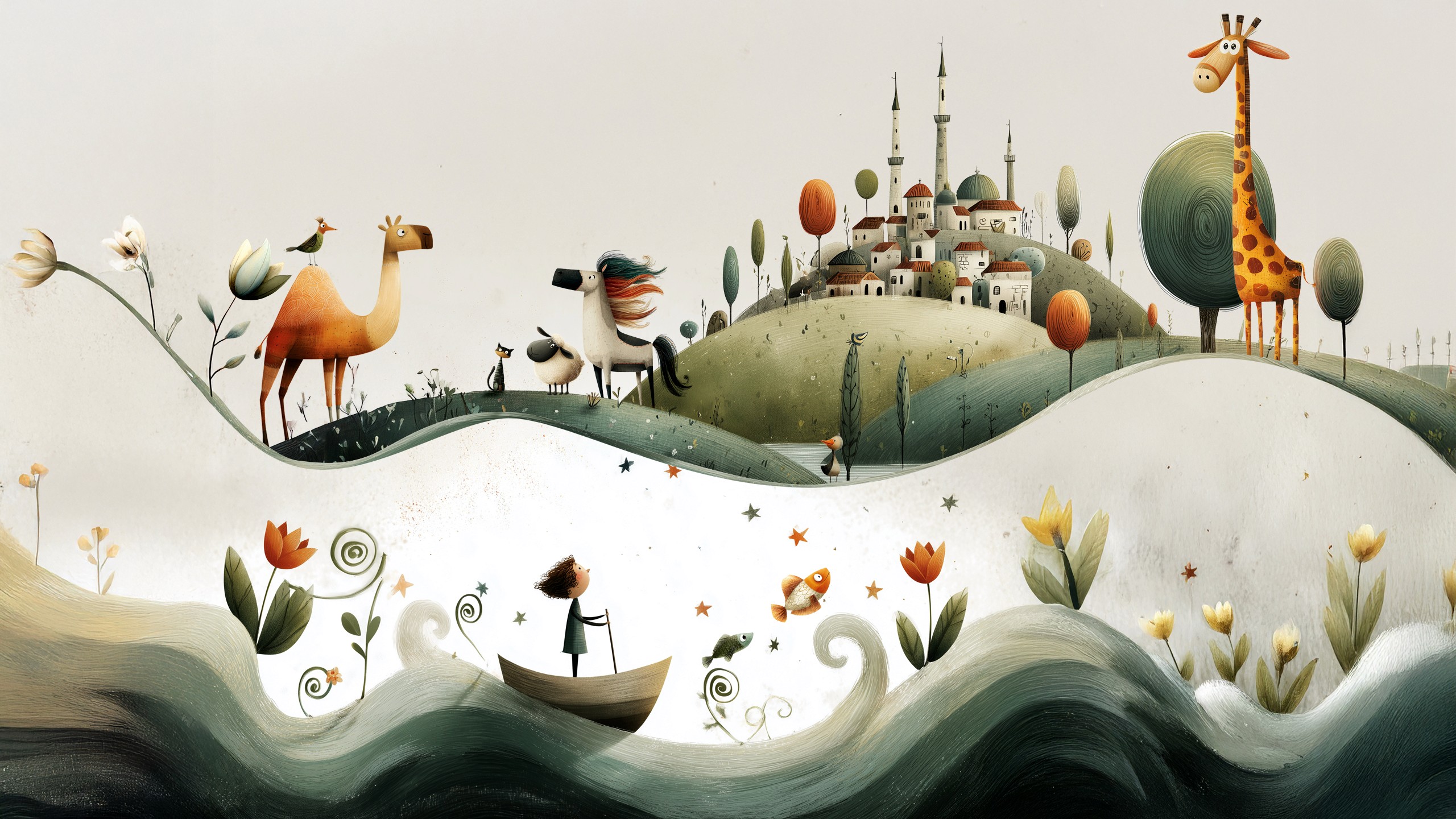
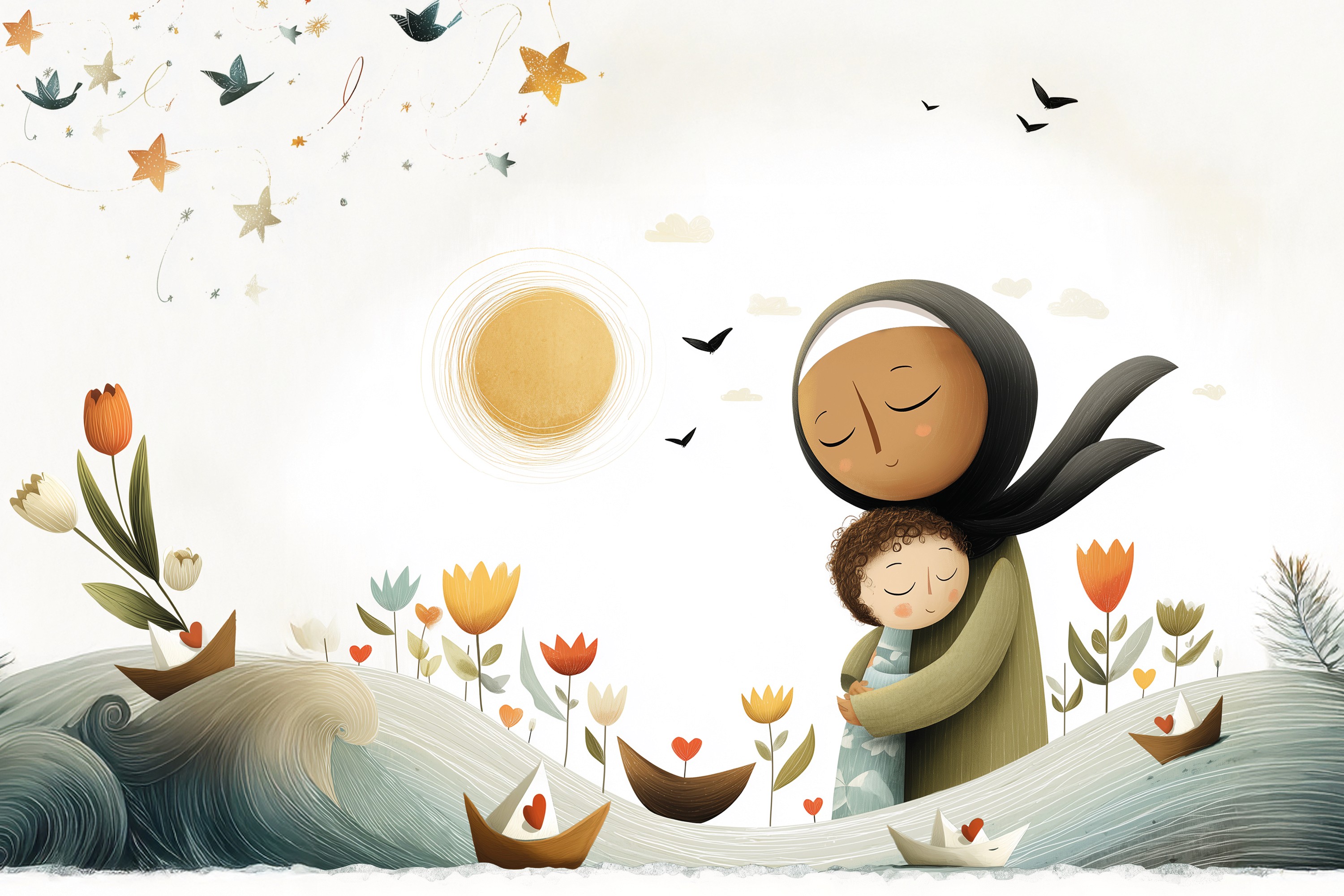
I don’t believe there is a real way to capture a mother’s tenderness in a single image. No matter how much we draw, something will always be missing.
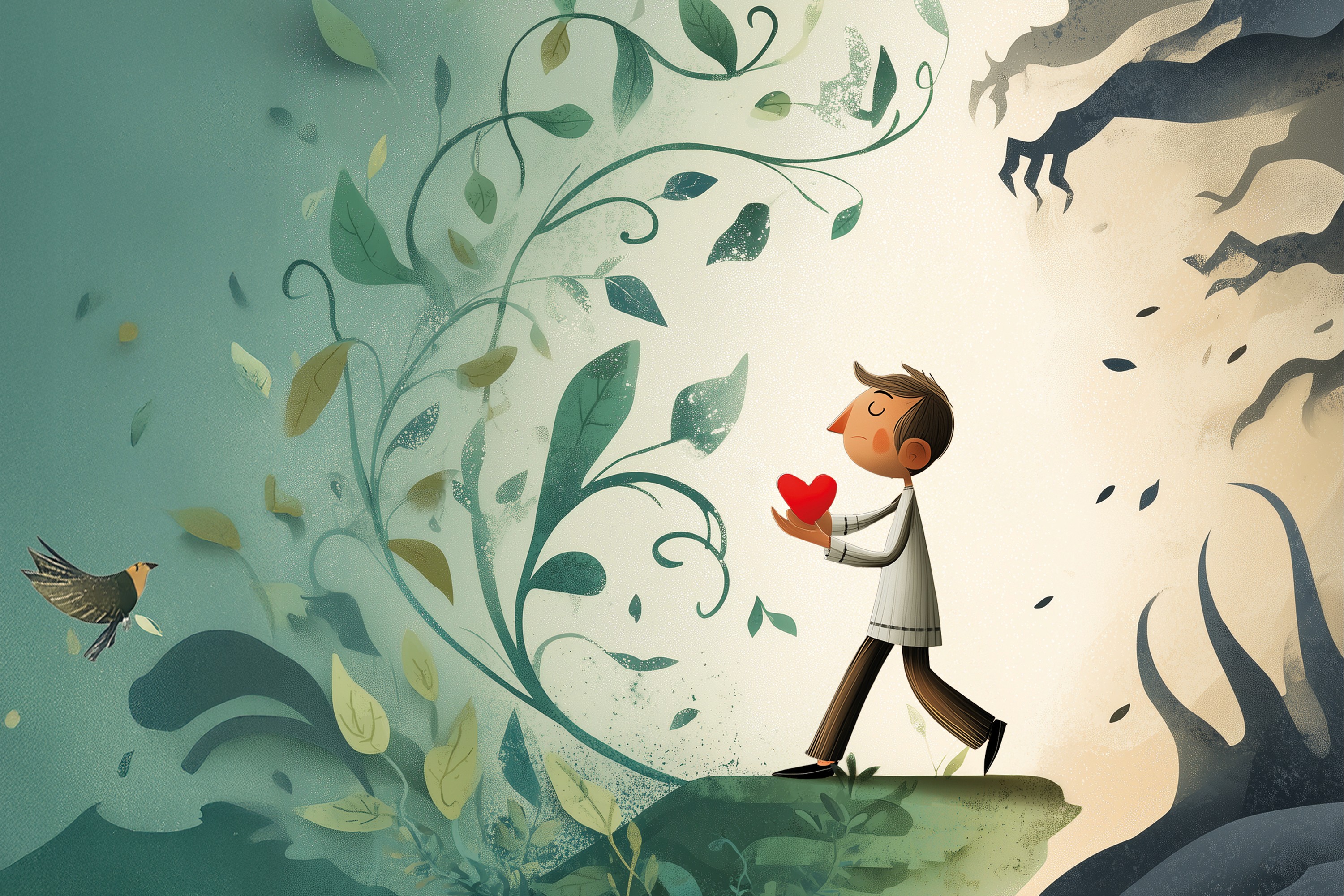
While working on illustrations for a text centered on maternal love and compassion, I often found myself hitting conceptual dead ends. Yet approaching the theme through two different lenses—both from the mother’s perspective and from the child’s world—brought me an unexpected sense of joy. It even made me want to call my own mother immediately and tell her how much I love her.
When illustrating children’s books, maintaining narrative cohesion is essential. Sometimes a single illustration carries the entire story; at other times, you must create multiple images that settle into the key emotional and structural points of the narrative. When projects overlap, the emotions and themes can blur, pushing you toward repetition or similar visual solutions. In such moments, exchanging ideas with the author or art directors can be incredibly valuable. Getting an external evaluation just before the final touches can also elevate your work significantly. And this is exactly where AI systems—when chosen carefully and used appropriately—can offer wonderful conceptual suggestions. These suggestions can spark fresh design ideas and open new paths of inspiration for your illustrations.
Approach

High concentration working hours
Every project goes through several stages during its production process, and each stage prepares the ground for the next. The clarity and reliability of these stages are crucial for the composition that will eventually be built upon them. Especially when illustrating a scene, you may find yourself needing to return to the very beginning during the final stage. If the earlier steps were well–constructed, going back becomes smooth and free of complications.
Sometimes a single book may contain multiple stories, each with its own atmosphere and emotional tone. In such cases, the key decision is whether each story should be illustrated in a different style, or whether the visual unity of the book should be preserved. These are not decisions you can always make on your own; sharing your thoughts with the author and the art director is essential for the overall health of the project. Of course, if you are involved in more than one role—as is often the case for me, when I serve both as the illustrator and the art director—the full responsibility of that decision rests entirely on your shoulders. No matter what direction you choose, your personal style, your approach to scenes, and your color choices will inevitably reflect both the story and glimpses of your own creative world. And if you feel at home in that world, those who engage with your illustrations will feel the same joy.
Process
Whether we work in our own personal space or within an organization, maximizing productivity is entirely related to how efficiently we allocate time to a project. Continuous concentration is not possible. The only possible thing is our sense of being present within the project. As long as this sense exists, the time we spend becomes more productive. This feeling always reaches its peak in work we do willingly and with love.
Sometimes a project gives birth to another project. Sometimes it kills it. In other words, the high performance you deliver while following the original plan can enrich the project and unexpectedly increase interest and engagement. This often creates pressure on the client to continue, opening new paths for the project’s future. At other times, the performance you present can have the opposite effect. It is much like a television series — when viewers appreciate it, they push producers to continue with new seasons. In the end, good work is rewarded, and poor work is abandoned.
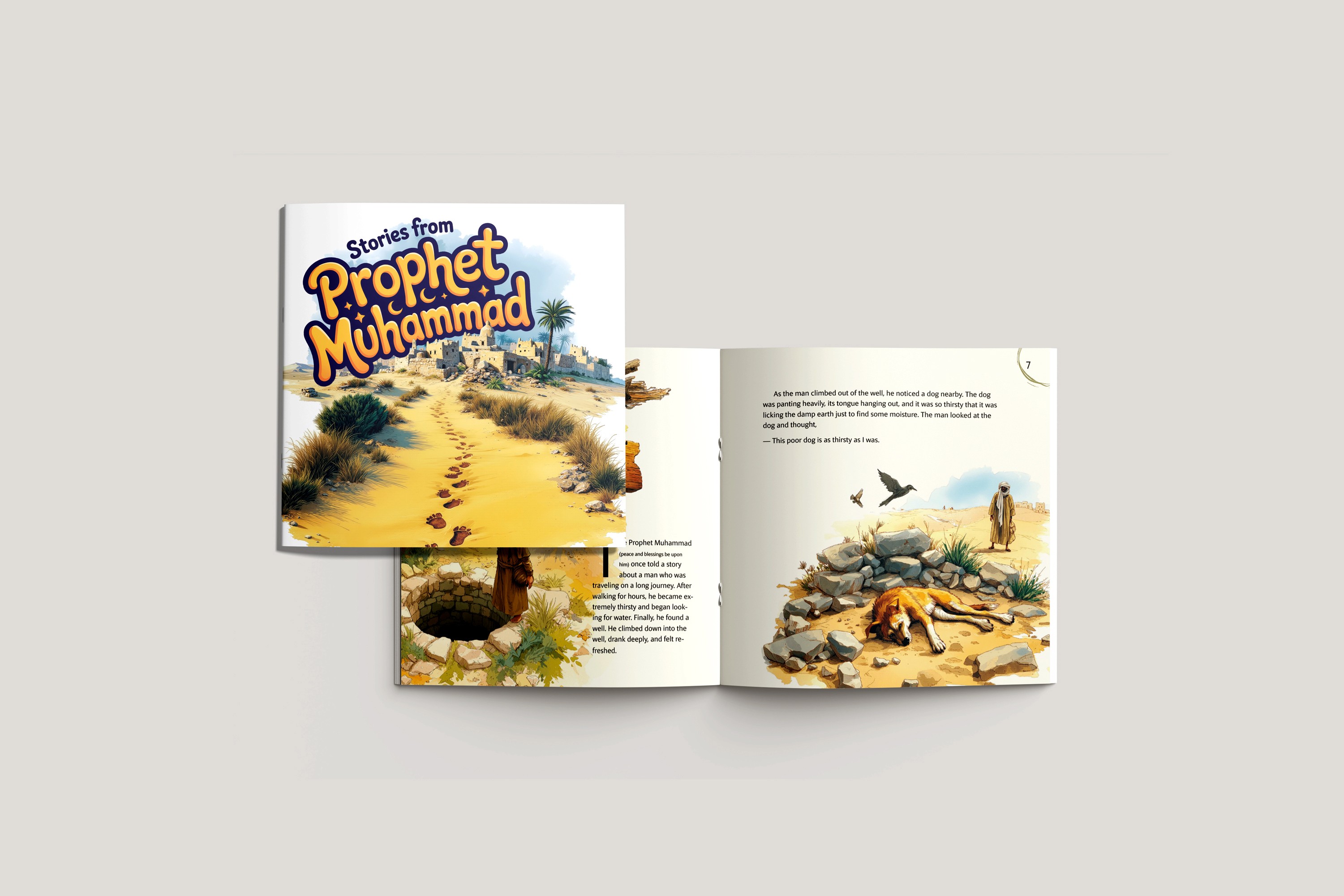
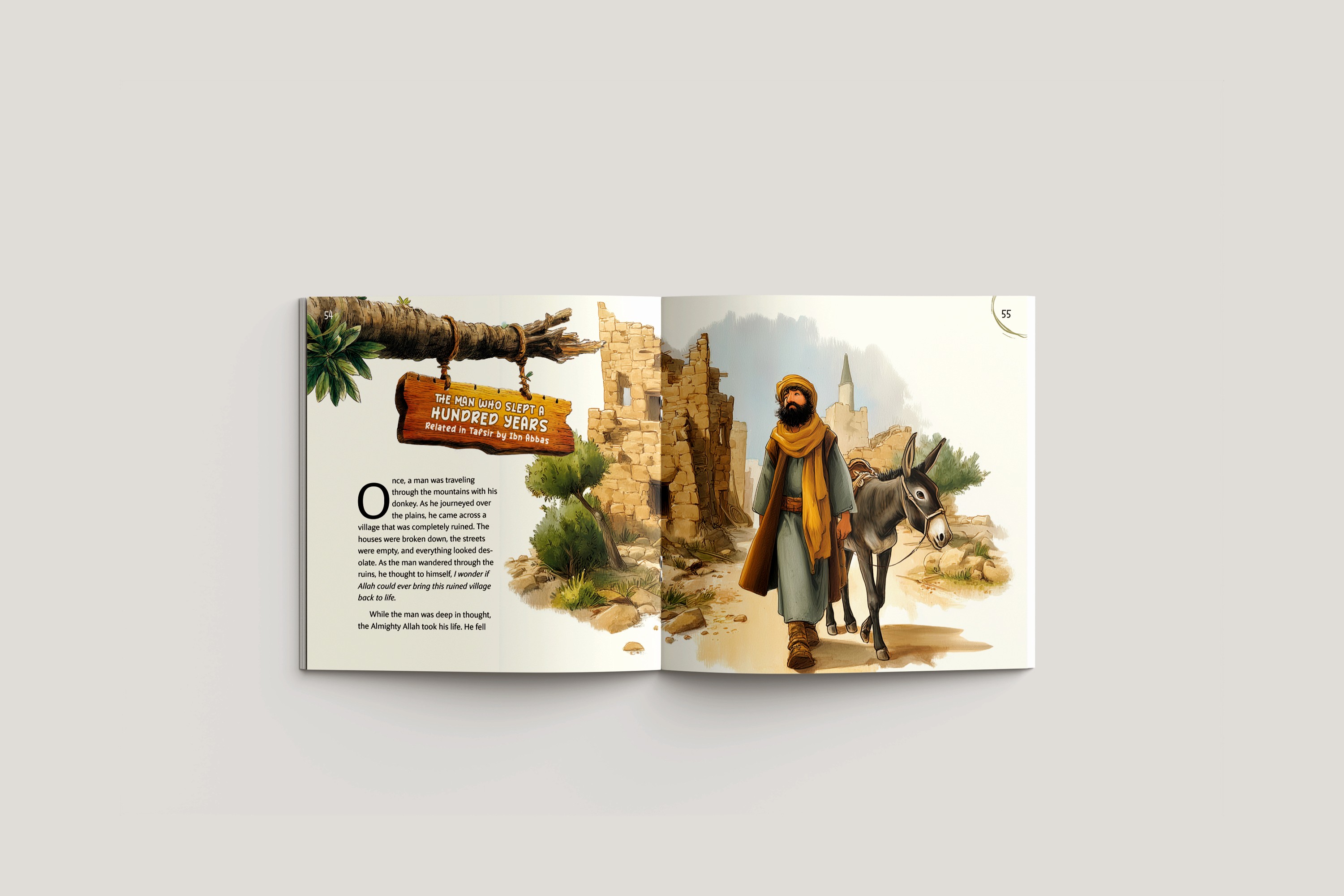
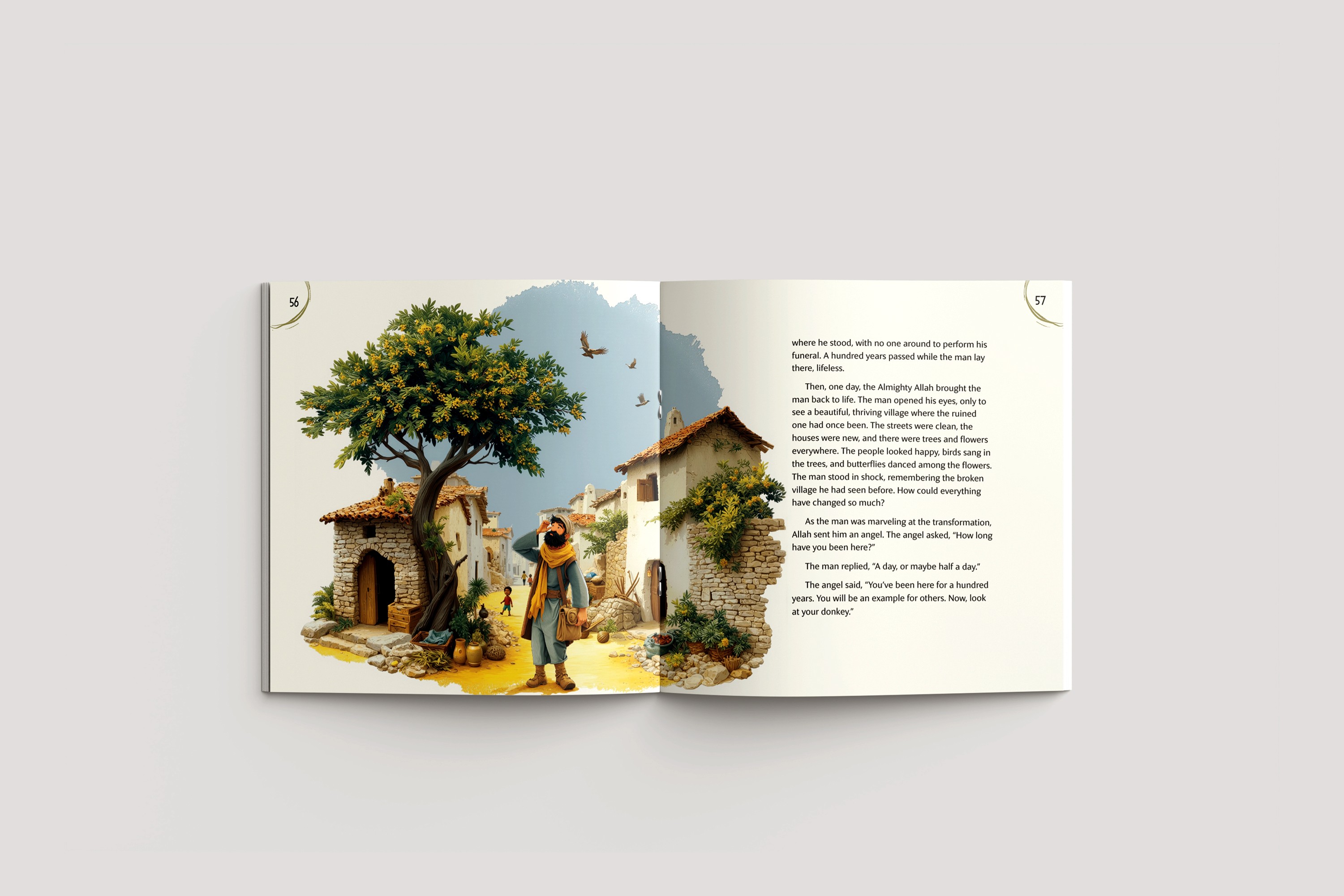
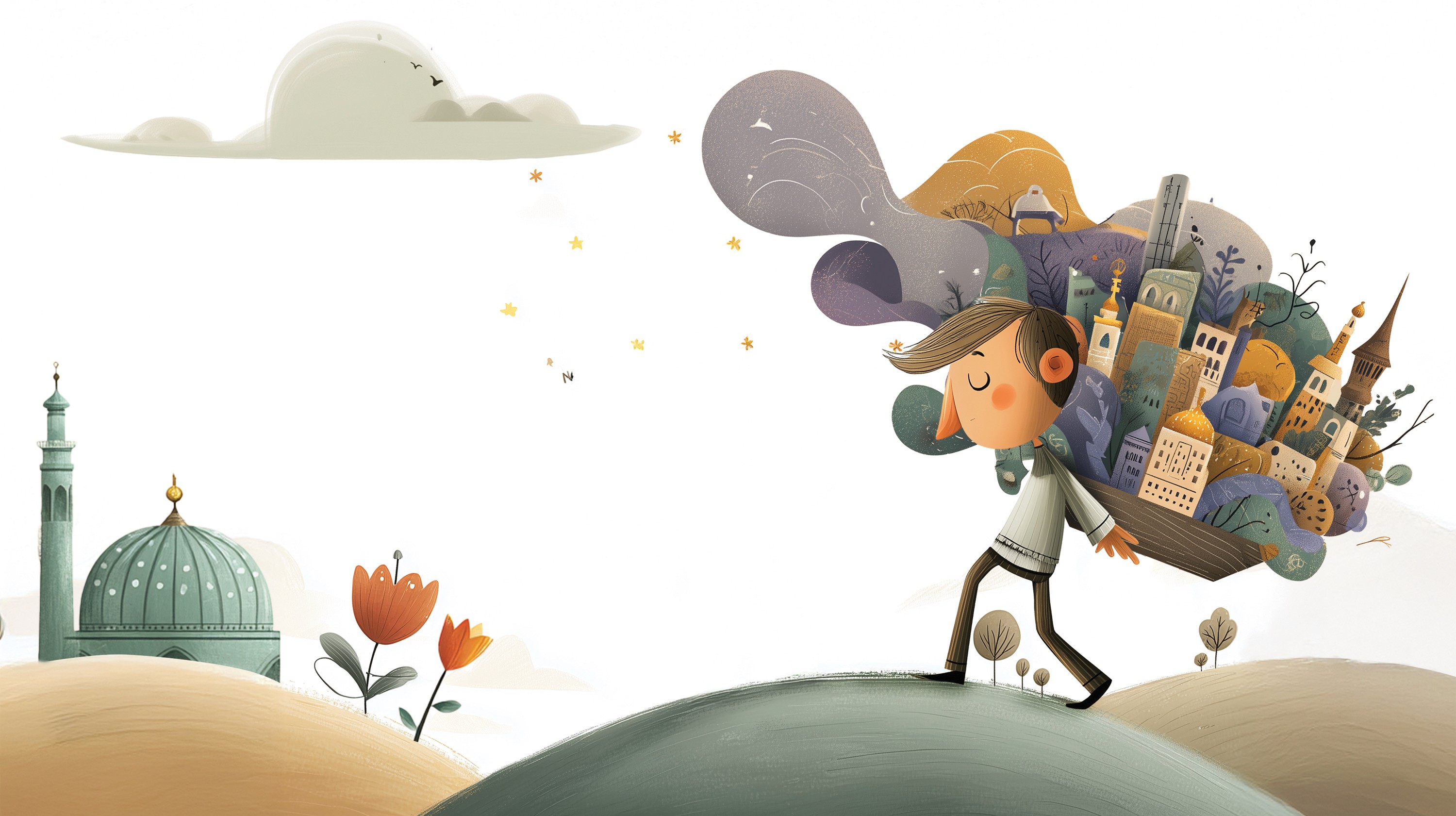
A successful children’s publication speaks quietly yet leaves a lasting echo—inviting imagination without manipulation, guiding without imposing, and always protecting the child’s sense of wonder. For me, children’s publishing is where design meets ethics, and where every visual decision must earn its place.
Final Design
In children’s publishing, all factors must be considered as a whole — the target age range of the book, consistency of time and place, character coherence, as well as color and typography choices. For a project to be successful, none of these elements can be evaluated in isolation.
Every project completed successfully becomes a source of inspiration for the ones that follow. The scenes you work on, the compositions you build, the characters you shape, and the choices you make in color and storytelling gradually turn you into a better reader of visual narratives. Imagine being the actor, the director, and even an extra within a single film scene—while at the same time watching that film as a viewer or reading its script as a reader. This is the small world you begin to build for yourself. And sometimes, after creating so many worlds, looking back years later and realizing you’ve formed a small galaxy of experiences becomes a joy of its own.
Product Images
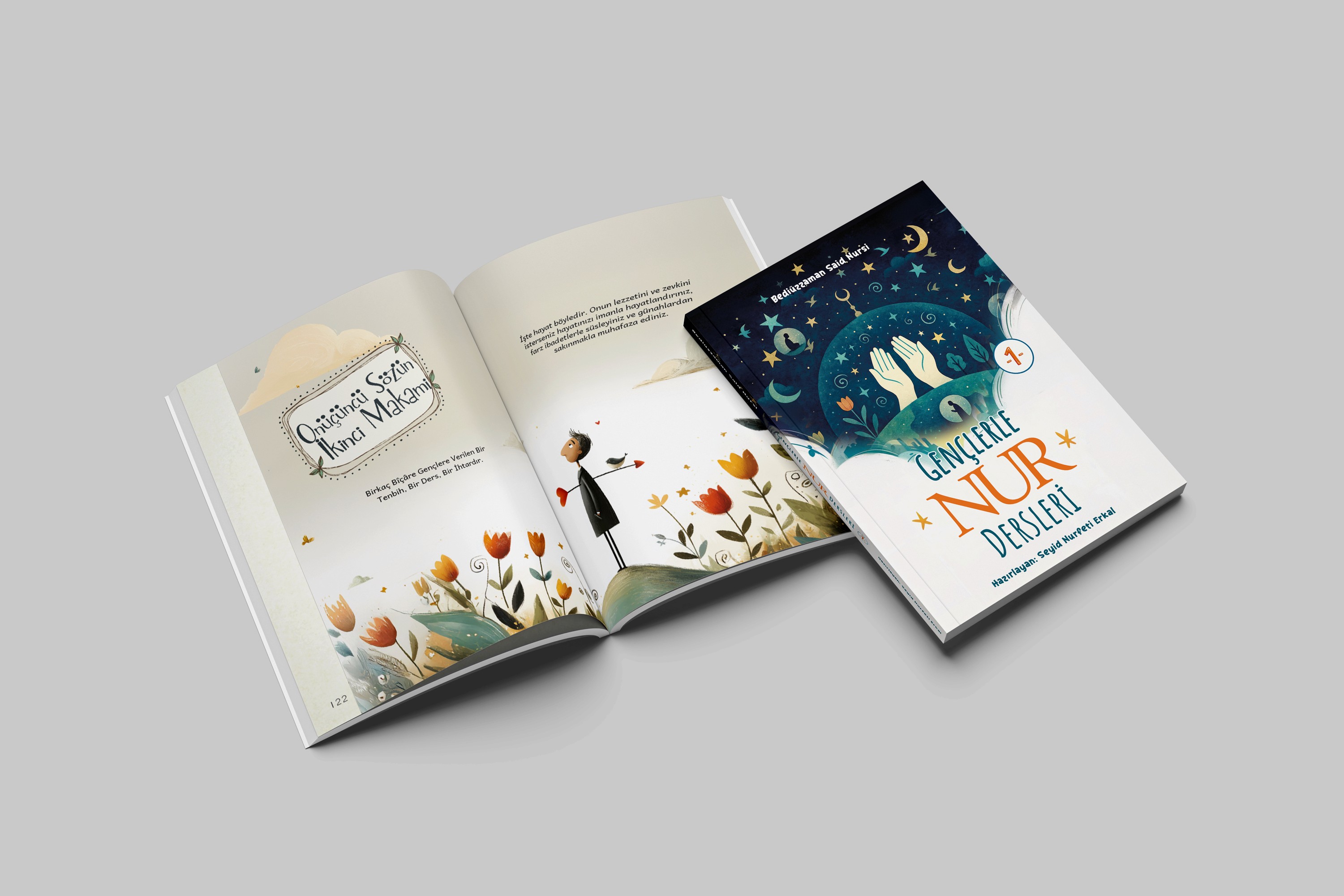
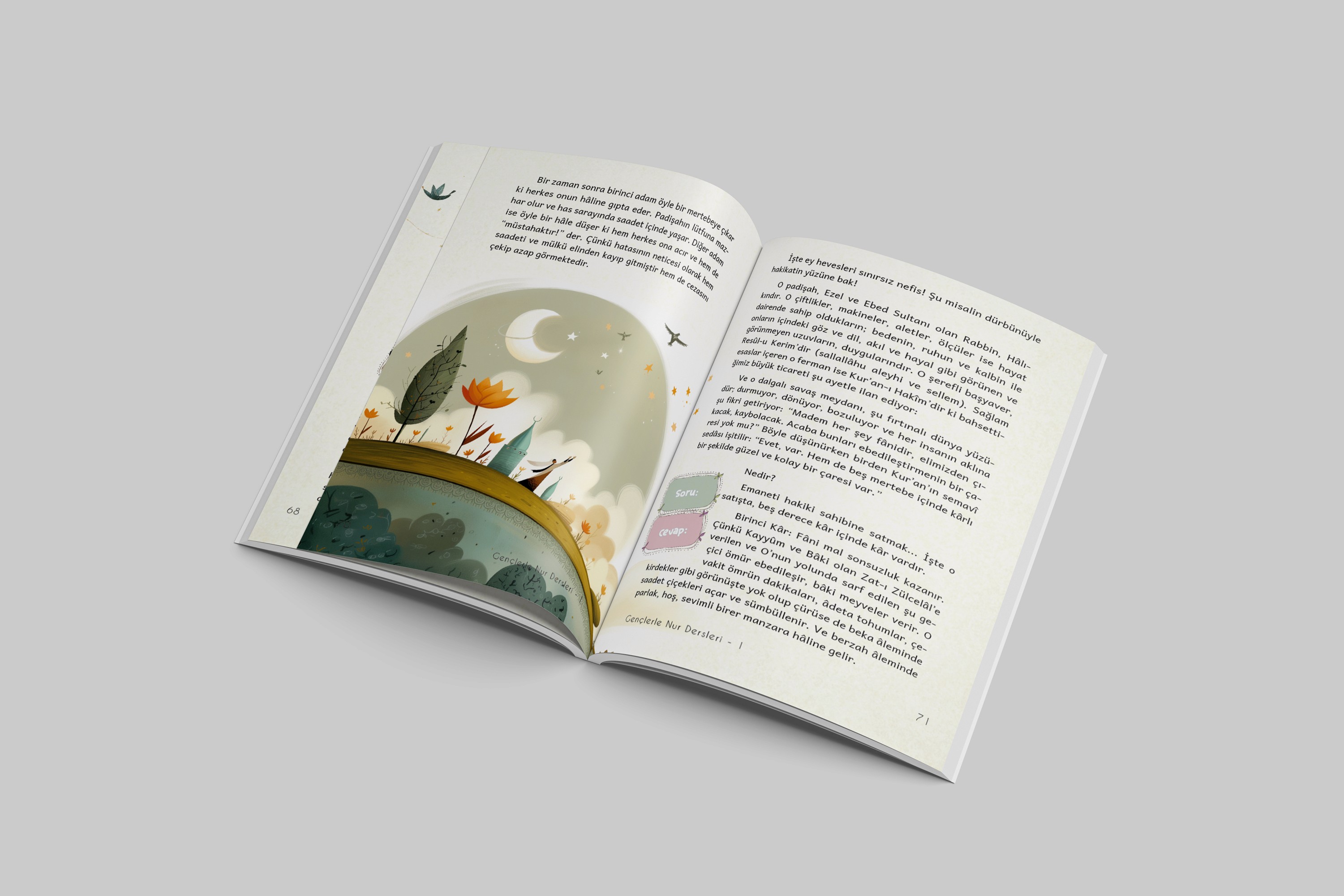
"Every person dreams and imagines. All the dreams you see and the visions you create usually remain confined to your personal world. But if you are a designer, dreams and imagination take on a different form — they break boundaries and become a source of inspiration for the dreams and visions of others." — Sinan Ozdemir
Conclusion
"Throughout their lives, human beings are always searching for meaning. This search begins in childhood. A seemingly simple illustration scene can make a positive contribution to this search for meaning. With your work, Sinan, the children of today will always remember you fondly when they grow up tomorrow."
Editor-in-Chief, Genclerle Nur Dersleri
A child’s book must speak with honesty, simplicity, and emotional precision—never underestimating the reader’s intelligence. Illustration, color, typography, and rhythm are not decorative choices but narrative tools that guide attention, curiosity, and understanding. When these elements work in harmony, a children’s publication becomes a safe space where imagination is encouraged and learning feels natural rather than forced.
Every visual decision leaves an imprint, shaping how young readers relate to stories, characters, and the world around them. Effective children’s publishing avoids visual noise and emotional manipulation, choosing instead balance, coherence, and respect. The goal is not to impress, but to support healthy curiosity—creating publications that children can return to, grow with, and remember with warmth. Designing for children is an ethical commitment as much as a creative one.
Awareness
Collaboration