DISCOVER PROJECT
SNN – Design Agency
Cover Designs
Dream marketing stand.
2025
— According to many modern interpreters of dreams, the most effective way not to forget a dream is to write it down. To me, every book is the written dream of its author. And the most powerful way to interpret those dreams is through the covers that frame them. That is what I do.
SERVICES
Book Cover Design, Visual Storytelling, First Impressions, Cover Concept, Typography & Layout, Symbolism in Design
Overview
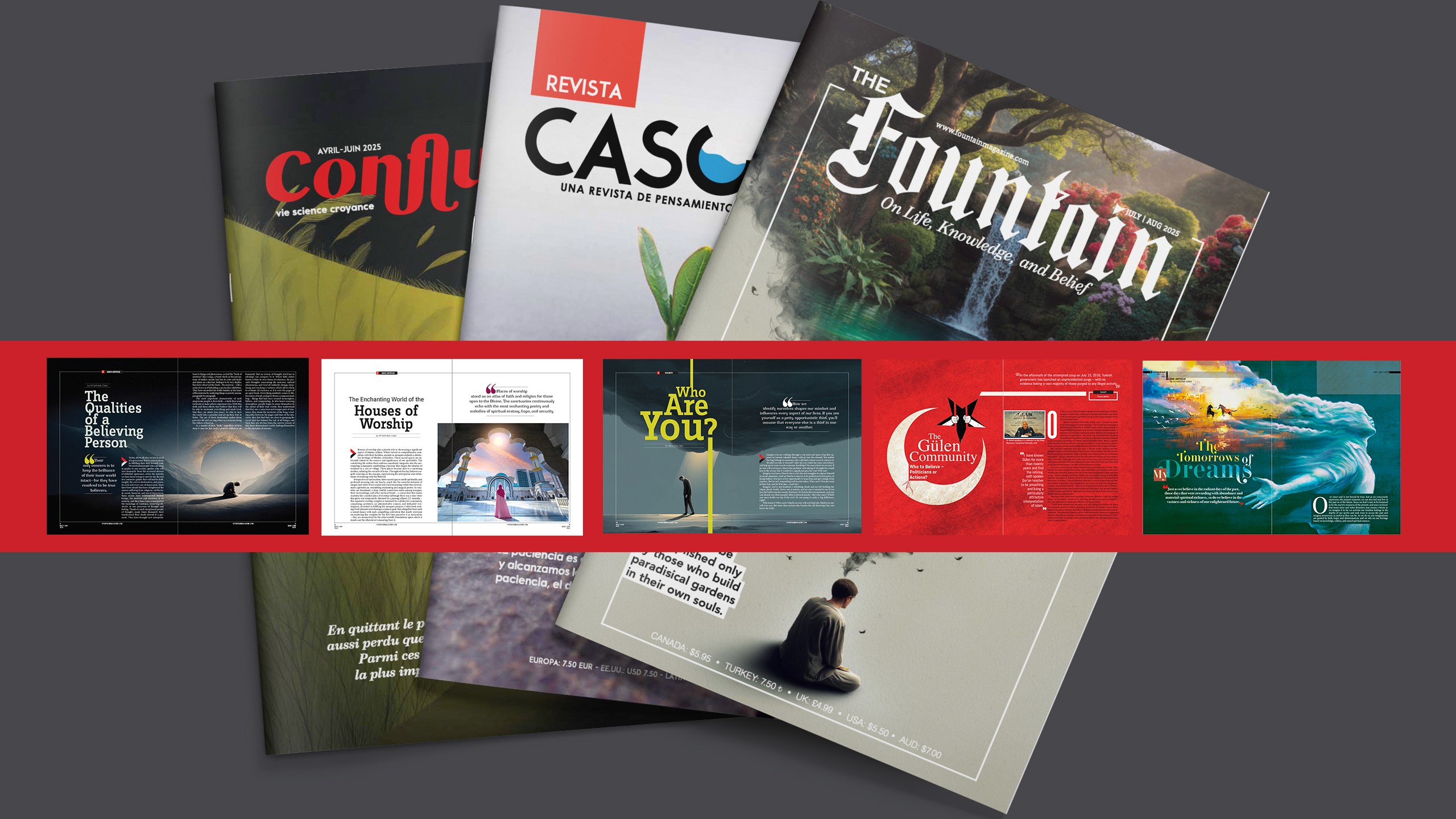
Magazine layout design and book cover design are, in many ways, not so far apart. Perhaps that is why moving between the two has always felt natural and productive for me. At first, I approached cover design as if it were a condensed version of a long-form article layout—something I tried to frame in familiar terms. Over time, however, I came to realize that while they share similarities, each belongs to a distinct and well-defined category. Both demand their own design disciplines and processes. For now, let’s turn our focus to the art of book cover design.
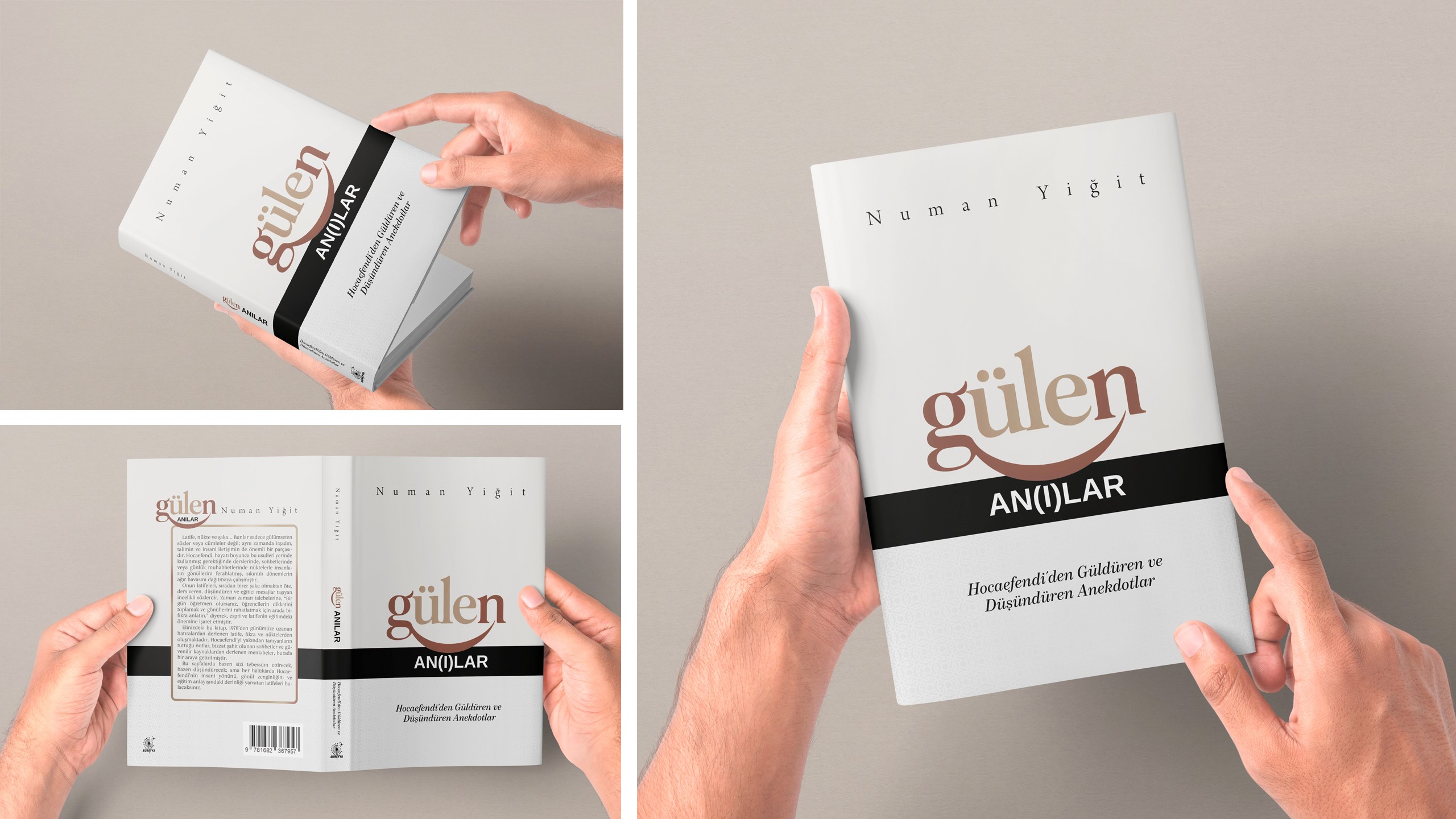
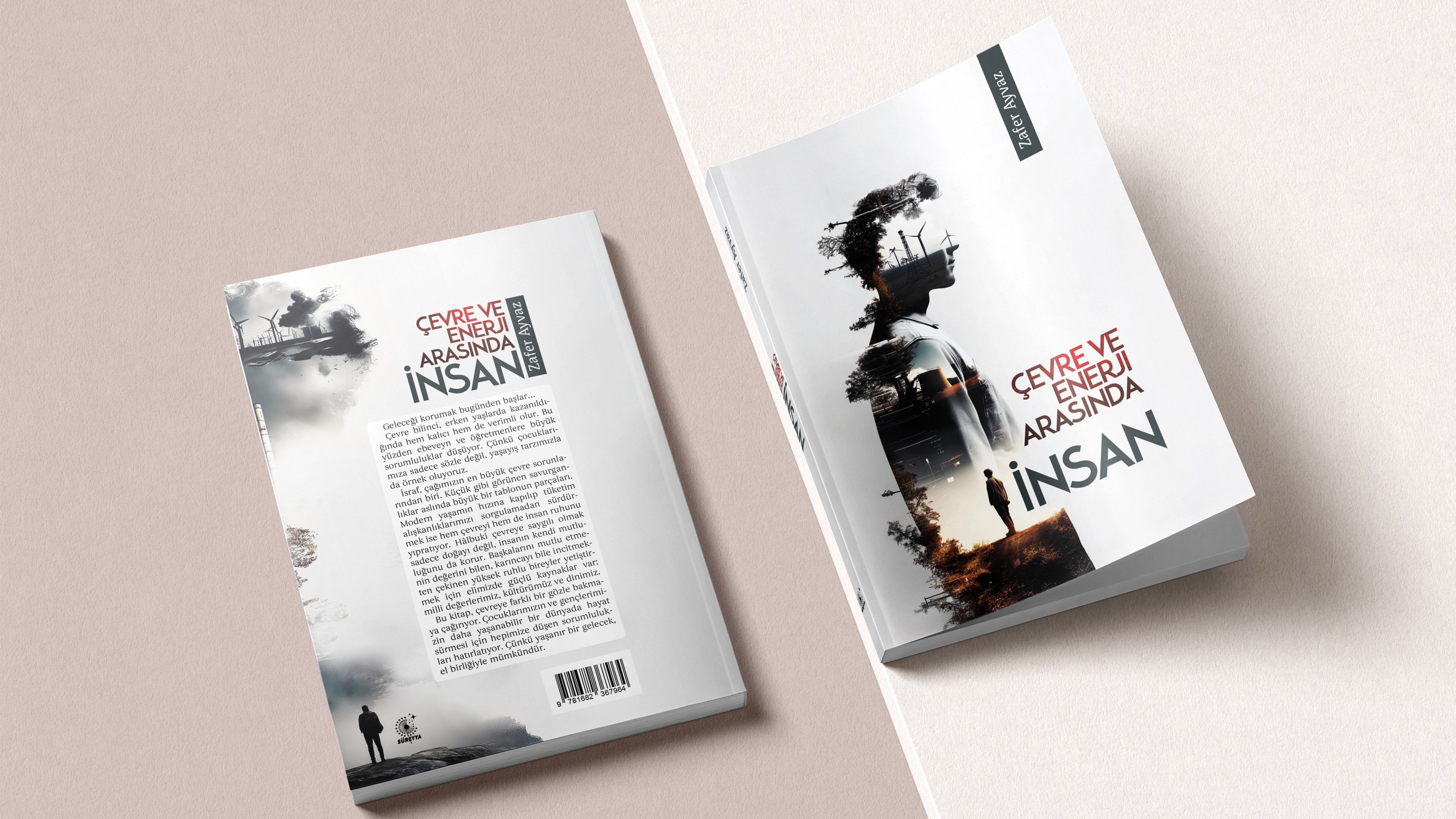
Book cover design is the discipline of reflecting a book’s content, theme, and spirit while capturing the attention of potential readers and positively influencing sales. I first experienced this when my landlord, who lived upstairs, asked me to design a cover for a collection of poems he had written. At the time, I was juggling a heavy workload with limited experience, and although I confidently accepted the project, it soon became one of the most difficult designs of my life.
I wondered, how could a book cover be so challenging compared to newspapers, magazines, catalogs, or advertising work? Yet this project pulled me in like a bottomless well, nearly leaving me breathless. By the time I emerged, the effort had been so intense that I thought I might never design another book cover again. Looking back, I now see it as my first and most formative lesson. Every cover project that followed has grown on a much stronger foundation—making them some of the most rewarding and exciting works of my career.
Approach

Production phase
There is no shortage of information on what makes an effective book cover design. Yet what should not be part of a book cover is something you only come to understand through experience. When you begin a project by first clarifying what does not belong, the design is already more than halfway complete.
A book cover serves many purposes: it visually communicates the genre, theme, and atmosphere of the book; it captures attention at first glance and sparks curiosity; it functions as a marketing tool that drives sales and sets the book apart from its competitors; and it reflects the identity of the author and the publisher. Yet all of these roles lose their weight when measured against one essential factor: the harmony of aesthetics and content. A cover designed with true aesthetic balance and fidelity to the content will, in fact, fulfill nearly all of these criteria at once.
Factors to consider
A strong book cover design rests on three core elements: typography, color, and imagery. All other considerations are secondary branches of these fundamentals. If any one of them is weaker than the others, the overall impact of the cover is inevitably diminished.
A single book can have multiple cover designs. Publishers often coordinate with in-house teams to adapt a title for different markets, regions, or languages. For example, a cover designed for the European market may need alternative layouts or concepts for the United States or Asia. This is why, when creating the primary design, the most effective approach is to develop a style that feels familiar and recognizable to readers, even as it adapts across diverse markets.

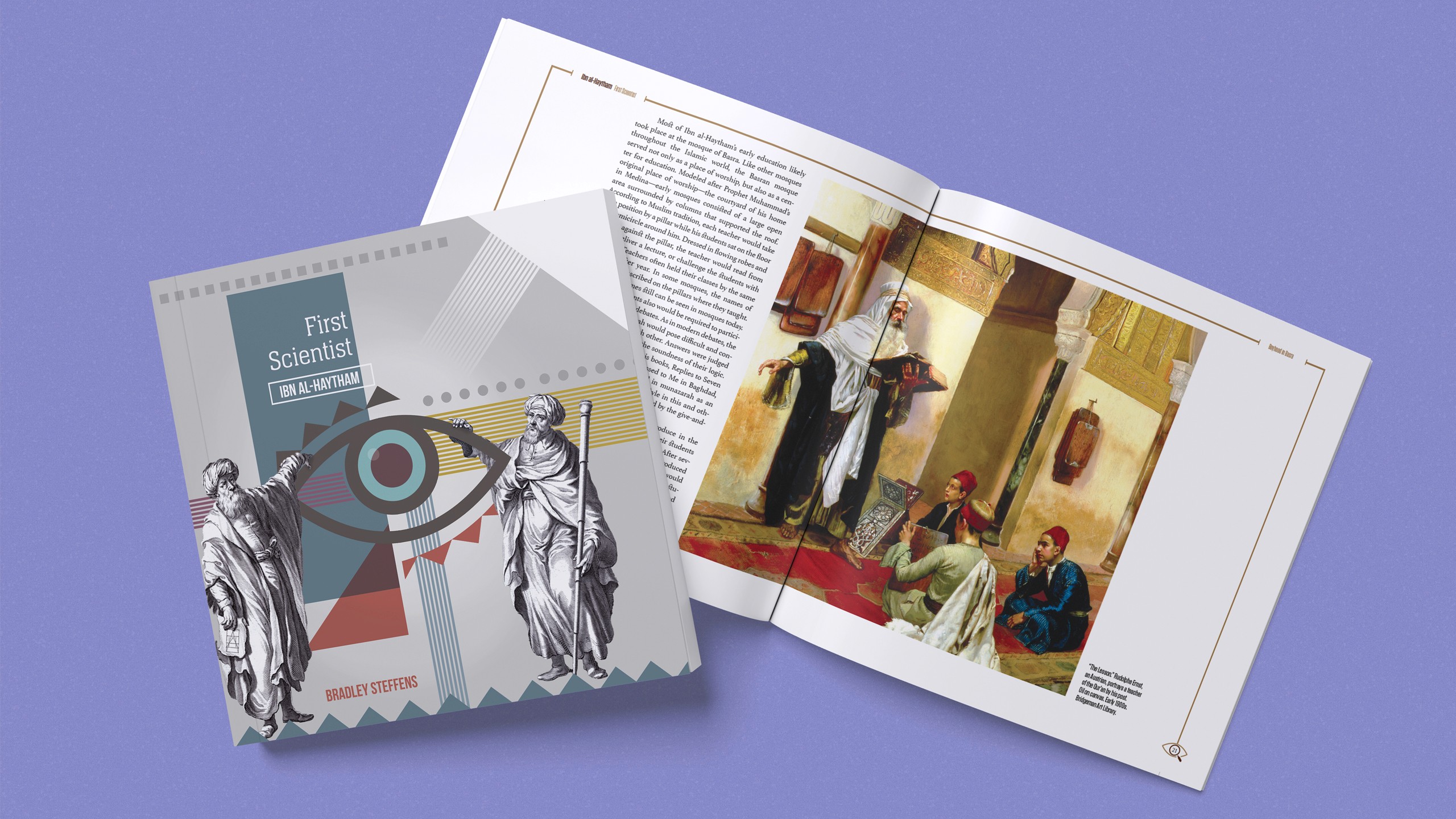

"When a designer creates for a client, the work should not solely reflect their own identity. It should draw inspiration from the designer’s essence while placing the client’s prestige at the forefront. Otherwise, the work becomes a stagnant pool that flows back into its own river. If you wish to reach the ocean, you must let go of yourself — without losing who you are."
BOOK COVER DESIGN CRITERIA
Every parent believes their child is unique — the smartest, the most extraordinary being in existence.This belief lasts until the child grows up and begins to understand their place in the larger world. Sometimes, it lasts even longer — for some parents, their child will always remain the same. I use this analogy to explain what a book means to its author. To a writer, their book is their one and only. A designer must approach that “only one” with awareness and respect for its value. A cover must communicate the book’s essence within seconds — because on a crowded shelf, that’s all the time it gets to make a connection. What the reader feels in that brief instant — that’s the true soul of the cover. A designer should not chase cover design trends — instead, they should pursue the feeling of creating something for the first time. That feeling gives the cover its originality. Originality is what makes a book shout from the shelf: “I’m here.” I call this “the point of first visual impact.” Every designer should define their own conceptual point within a cover — call it Z, S, or A, it doesn’t matter. What matters is that this point becomes the spot where the reader’s gaze instinctively locks the moment they see the cover. That focal point might be a burst of color, a small visual detail, or the intersection of your typography — whatever gives meaning to the whole. Design it consciously. Because no true success ever happens by accident.
Conversations with an author or editor about their book are always fascinating. For writers, their books hold a special, almost sacred place. They speak of them with the same pride and affection as parents describing their child’s first day at school — eager to share every detail. If a designer is also a good listener, understanding the emotional core, the key message, or even the hidden symbol within the story becomes much easier. What truly matters is that the cover clearly communicates one thing to the reader: “I understood this book.” A designer should not chase cover design trends — instead, they should pursue the feeling of creating something for the first time. That feeling gives the cover its originality. Originality is what makes a book shout from the shelf: “I’m here.” I call this “the point of first visual impact.” Every designer should define their own conceptual point within a cover — call it Z, S, or A, it doesn’t matter. What matters is that this point becomes the spot where the reader’s gaze instinctively locks the moment they see the cover. That focal point might be a burst of color, a small visual detail, or the intersection of your typography — whatever gives meaning to the whole. Design it consciously. Because no true success ever happens by accident. In cover design, typography should never be seen merely as a matter of readability. It is the process of shaping a unique character for the book itself. It’s about taking a standard font and redefining its meaning through your own creative touch. For example, using a classic serif font for a historical title — then overlaying it with a subtle aged texture — can add depth and authenticity. Or combining a handwritten script font with a glitch effect for a contemporary adult novel can create tension and intrigue. Typography, when crafted with intention, becomes more than letters; it becomes part of the story’s voice.
Product Images

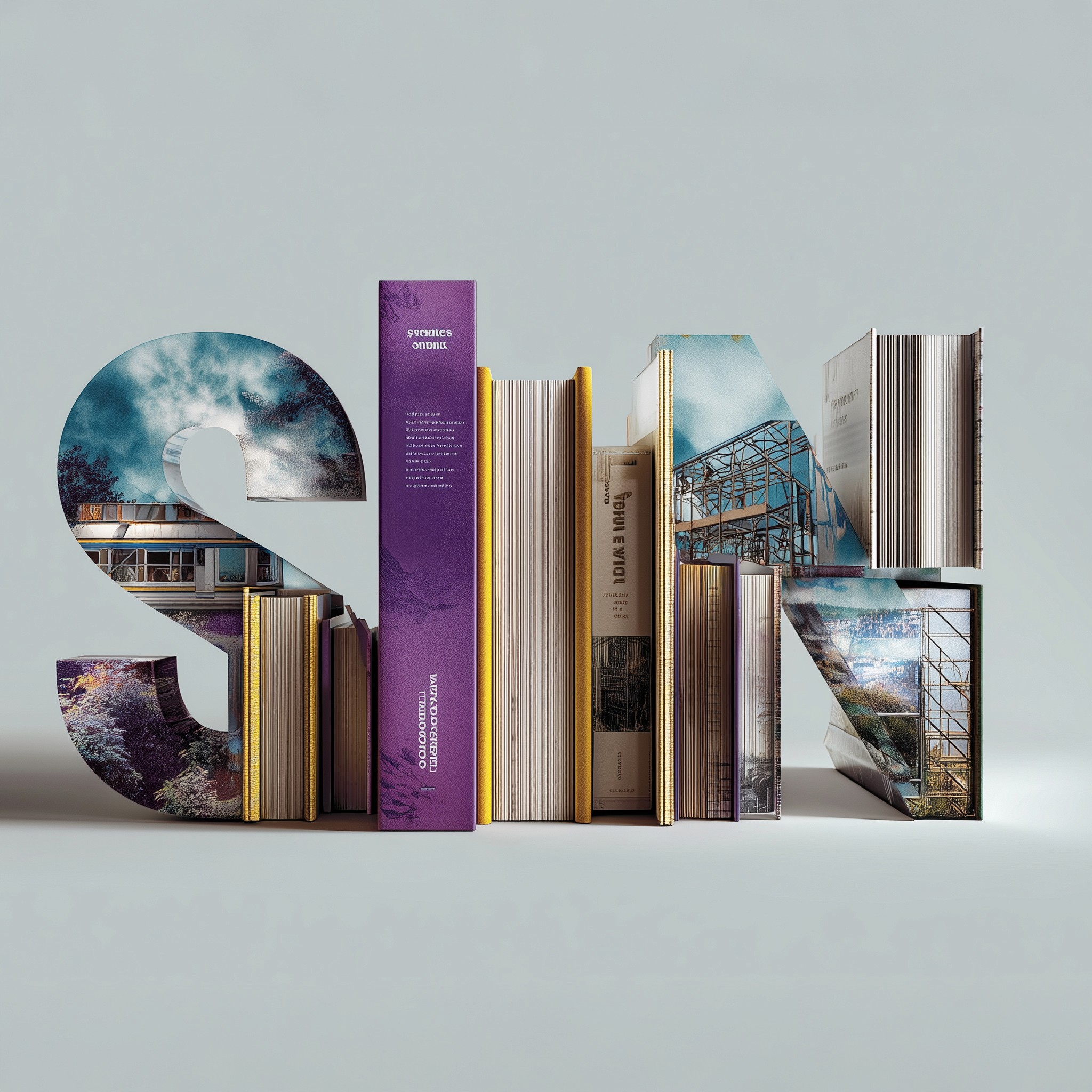

"A powerful cover is never just a visual. It’s a thoughtful harmony of psychology, culture, typography, and brand — crafted with intention to let the story breathe across every language and emotion. True design doesn’t imitate trends; it translates essence." — Sinan Ozdemir
Achievements
Years of brilliant graphic design work on Cascada magazine. Sinan brings elegance, precision and real creative vision to every layout. Simply one of the best in the business.
Mehmet Siginir Kilic - Editor-in-Chief, Cascada Mag.
It is the moment where the reader pauses, senses something familiar yet unknown, and chooses to engage. A strong cover does not explain the story; it suggests its gravity, tone, and emotional weight. Every visual choice—typography, color, composition, or silence—must serve this moment of recognition. When a cover is designed with intention, it becomes a quiet invitation rather than a loud announcement.
The designer must step back from personal expression and listen carefully to the author’s voice, the editor’s perspective, and the cultural context of the reader. Over the years, I learned that the most effective covers are not the ones that try to impress, but the ones that endure. A cover succeeds when it respects the story, honors the reader’s intelligence, and remains relevant long after the book leaves the shelf. Designing book covers requires restraint as much as creativity.
audience engagement
satisfaction rate improved