DISCOVER PROJECT
SNNERGY Production
Magazines: Where My Story Began
Magazine Design – Website Development – User Experience (UX) – User Experience – (UX) User Interface (UI)
June 2025
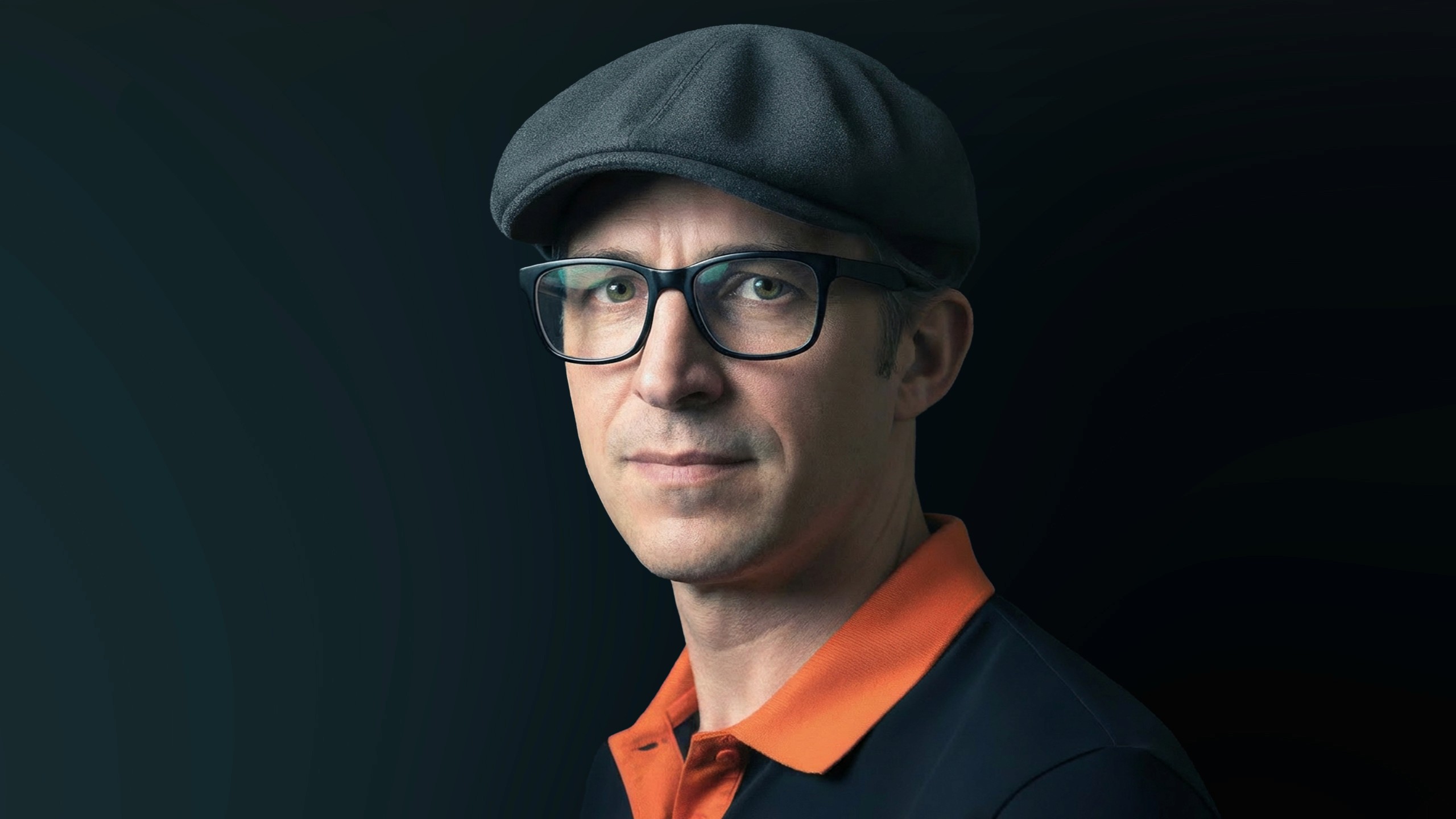
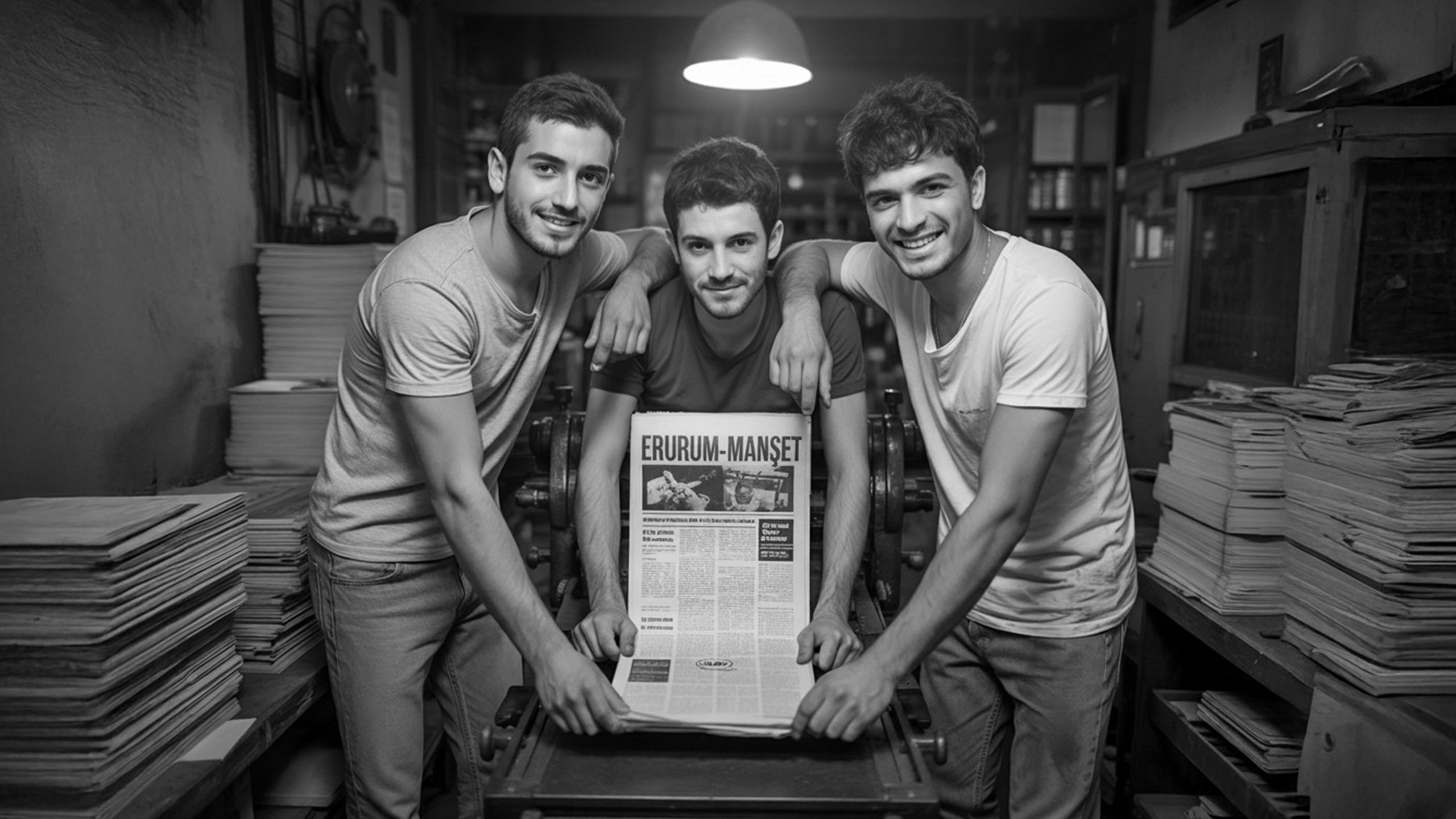
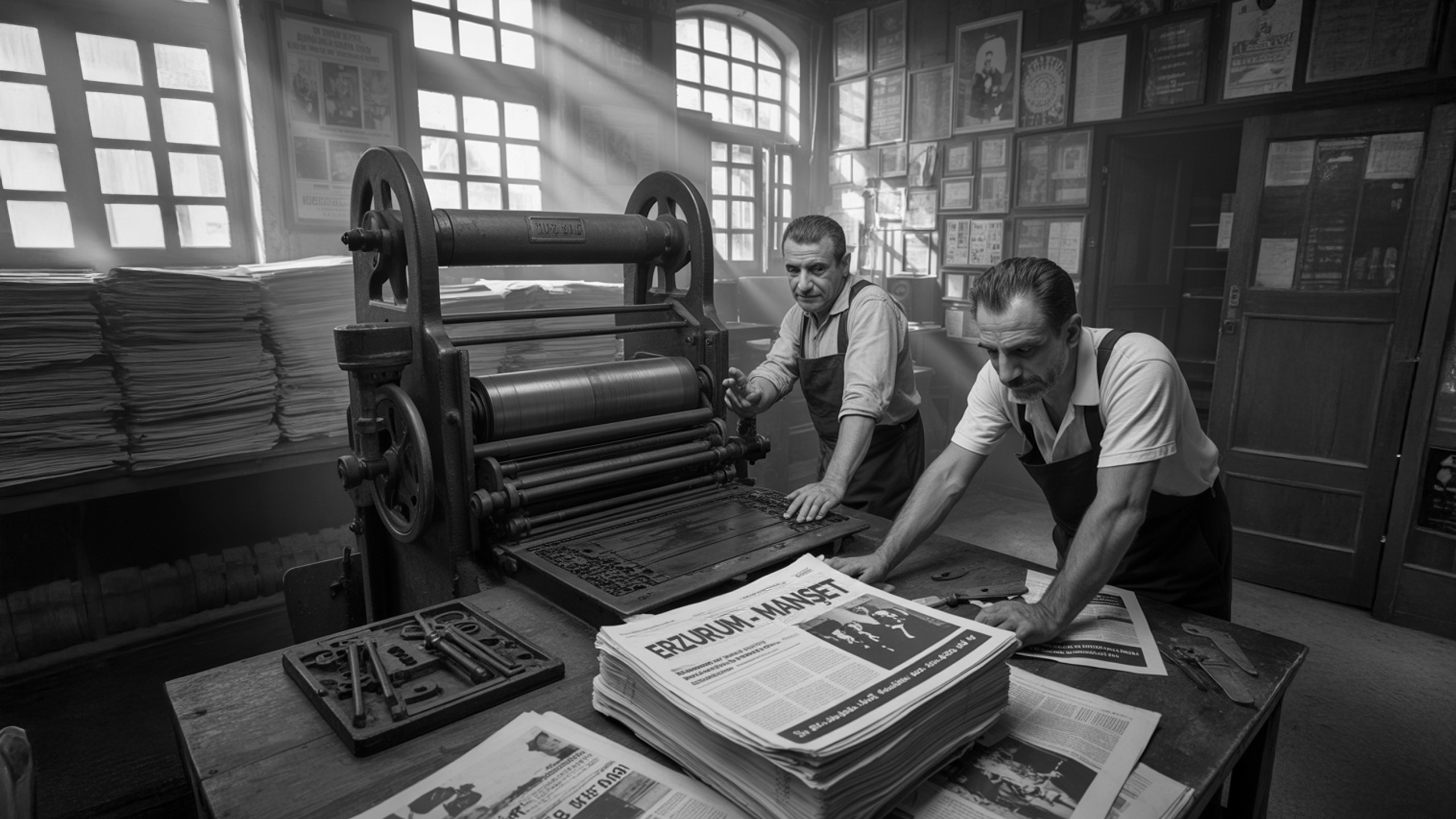
— The early 2000s were not easy for someone like me—growing up in Erzurum, a city in Eastern Turkey, trying to stand on my own feet and pursue only the work that made me truly happy. At that time, radios were the star of every household, TVs were a luxury for a more selective audience, and newspapers and magazines carried a unique power and prestige. After a brief adventure in radio and television, I eventually found my true passion in the world of magazines—the essential companions of an intellectual few. On the signboard of my very first agency, one line captured this turning point in my journey: “Newspapers and Magazines Designed Here.”
SERVICES
Typography, Color Palette, Magazine Content, Adobe InDesign, Adobe Illustrator, Adobe Photoshop, Visual Content
Definition of Experience
There came a time in my life when I realized that design was not just part of what I did—it was the essence of who I was. Like many others who discover this truth, I decided to follow it with everything I had. In hindsight, I see how impatient I was, as if rushing to an important meeting or fearing that I might miss a rare opportunity. I don’t call this a regret, but rather a stage in my journey that shaped my understanding. Back then, design was not easy. There were no quick demos, no on-demand printing services, and no powerful computers ready at your fingertips. Anyone who wanted to create had to push through immense challenges, and I was no exception. Yet those struggles became my greatest teachers—lessons no technology today could measure. I discovered that design was not a single discipline but a vast field with many branches, and I felt compelled to dive into each of them at full speed. My first website? Built with Microsoft Word, because it was the only tool I knew. I patched code together in Notepad, arranging crude visual pages, only to find my photo edits lacking. That search led me to a revelation: a simple photograph with a drop shadow I saw in an internet café. It amazed me—how a shadow could completely change the mood of an image. I had to learn how. That was when I discovered Photoshop. I may misremember the version—it might have been 2.5—but I vividly recall truly embracing it after 2007, when the Creative Suite became a cornerstone for designers everywhere. At first, I only used it to add shadows under pictures. But over time, it became the tool I relied on for nearly everything. Other programs came and went, but Photoshop remained my constant companion—the foundation of my transition from web interfaces to the broader world of graphic design.
Graphic design is the art of developing visuals alongside text to convey an idea, to present it, or to deliver a message—whether directly or through subtle layers of meaning. If you choose to visualize a thought or even a dream, you are an artist. Yet that artistry remains deeply personal; those who witness it are simply invited to explore your private world. But if you are a graphic designer, the role shifts. Your work must allow every viewer to find a piece of their own story within it. This is exactly where I stepped into the world of newspaper and magazine design. It is the craft of arranging words and visuals—articles, news, graphics, photographs—into layouts that capture attention, inform, and engage without overwhelming the reader. At its core, publication design is not only about aesthetics and function; it is about blending personal experience with culture, society, and everyday life. That is why, to me, publication design is both a discipline and a dialogue.
Graphic design is not only about creating visuals, but about telling stories that others can see themselves in. Publication design takes this further—transforming words and images into functional, engaging layouts that connect culture, society, and everyday life. It is design as both communication and dialogue.
Approach
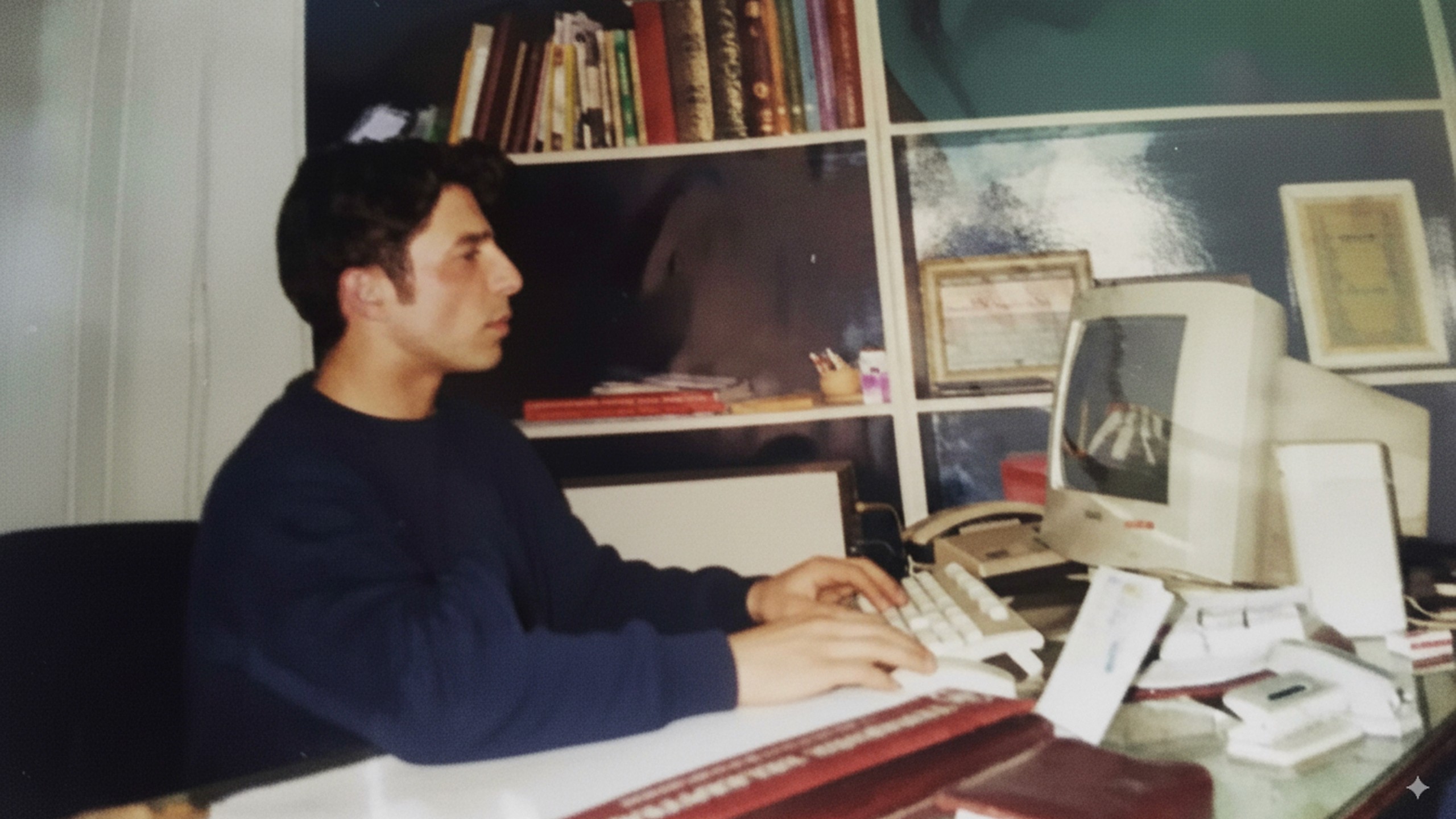
The year 2007. The first computer... first experiences.
When you begin a project, emotions often lead the way—but as time passes, logic inevitably takes over. The more you rely on logic, the more you see your shortcomings, and the harder you feel compelled to work on them. Perhaps this is a gift: if you approached everything logically from the start, you might focus only on flaws and give up too soon. This realization came during a period when I stepped away from graphic design to focus on photography. At RAFO FOTO studio, I spent nearly two years working solely on framing and composition. Back then, digital photography did not yet exist; we developed film in darkrooms and retouched negatives with the tip of a pin. At that same studio, I led the transition from film to digital photography, a breakthrough that drew attention in the region and allowed me to train many other studios. Once I felt I had gained enough experience, I returned to the field I loved most—graphic design.
At one point, I stepped away from graphic design to immerse myself in photography—leading the transition from film to digital at RAFO FOTO studio and training others in the process. That experience taught me precision, patience, and vision, which I later carried back into the field I loved most: graphic design.
Experience - Transformation
With every experience, a person begins to transform. If you are a designer and your experiences in this field are not reshaping you—are not pushing you into your next version—then my advice is simple: stop doing it. Society, culture, the city you live in, technology, everything around you is constantly evolving. As a designer, you cannot afford to remain a lifeless scarecrow in the middle of all this change—you must adapt. Graphic design, more than most fields, thrives on transformation. A new shop opening, a street that needs signage, a new product launch, a music album, a breakthrough in health, or the rise of a new political leader—all of these signal the same thing: congratulations, you have a new client.
Design must evolve as the world evolves. If your experiences as a designer are not transforming you, then you are standing still—while everything around you moves forward. In a world of constant change, adaptability is not optional; it is the very essence of graphic design.
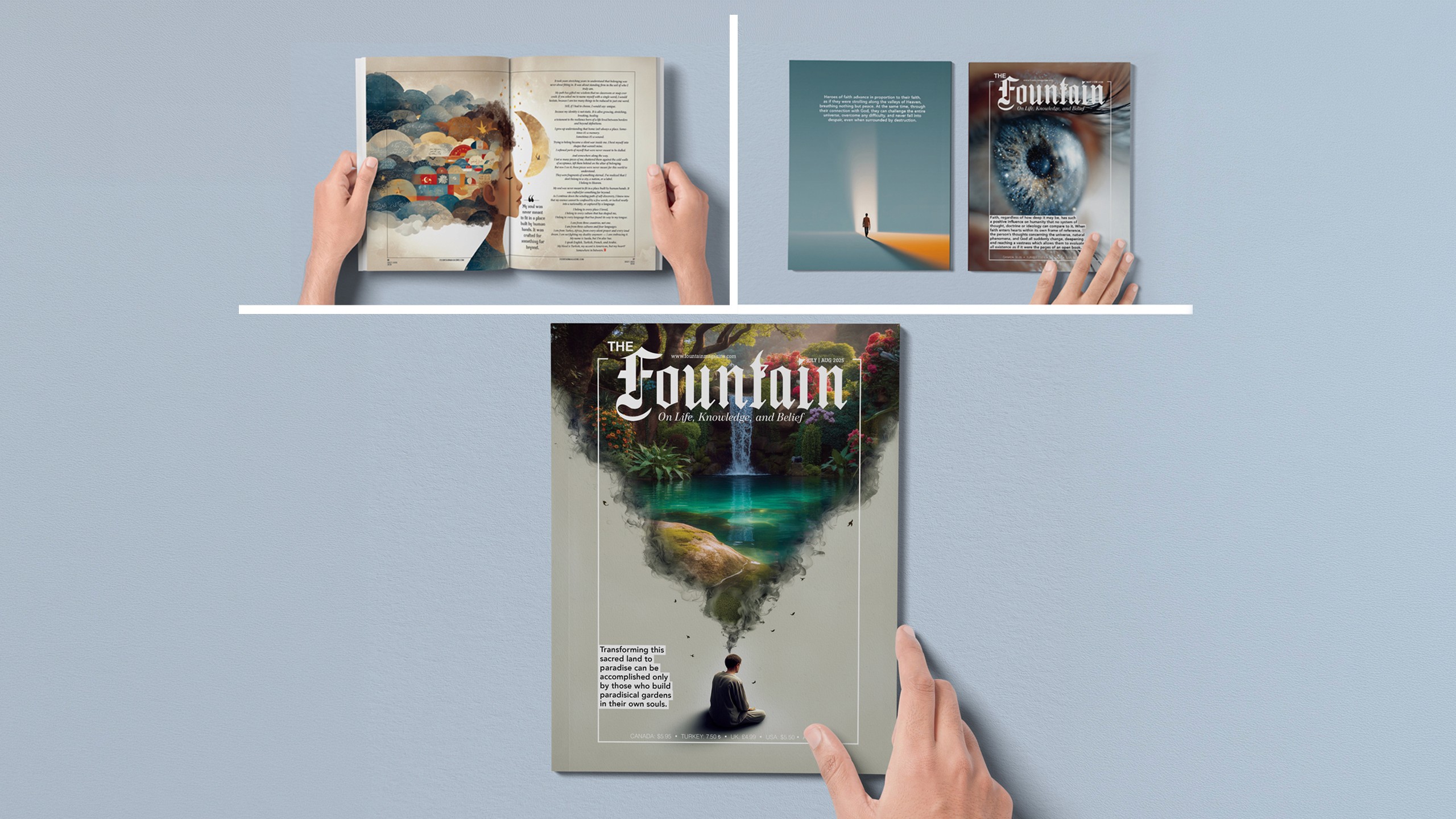
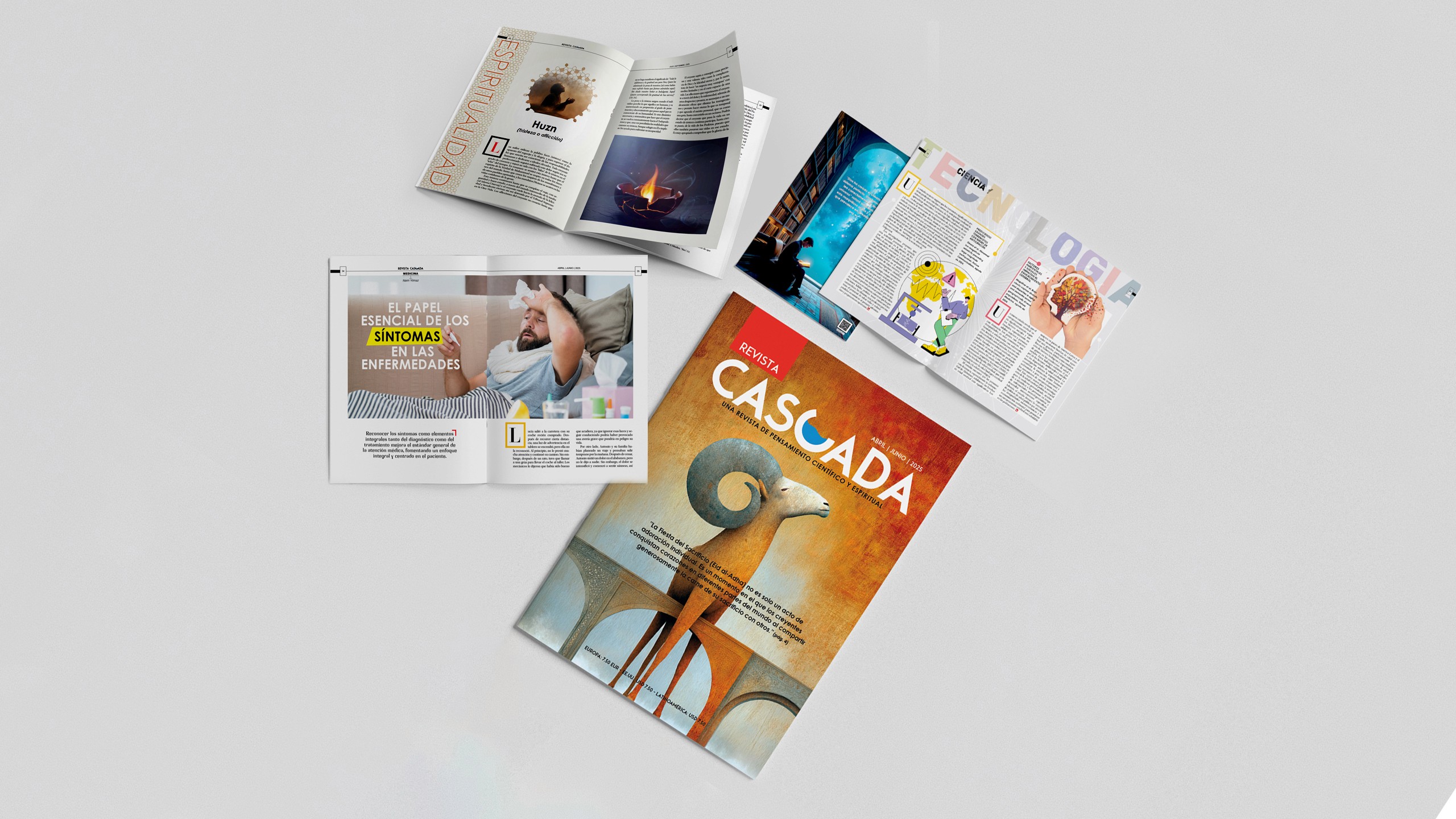
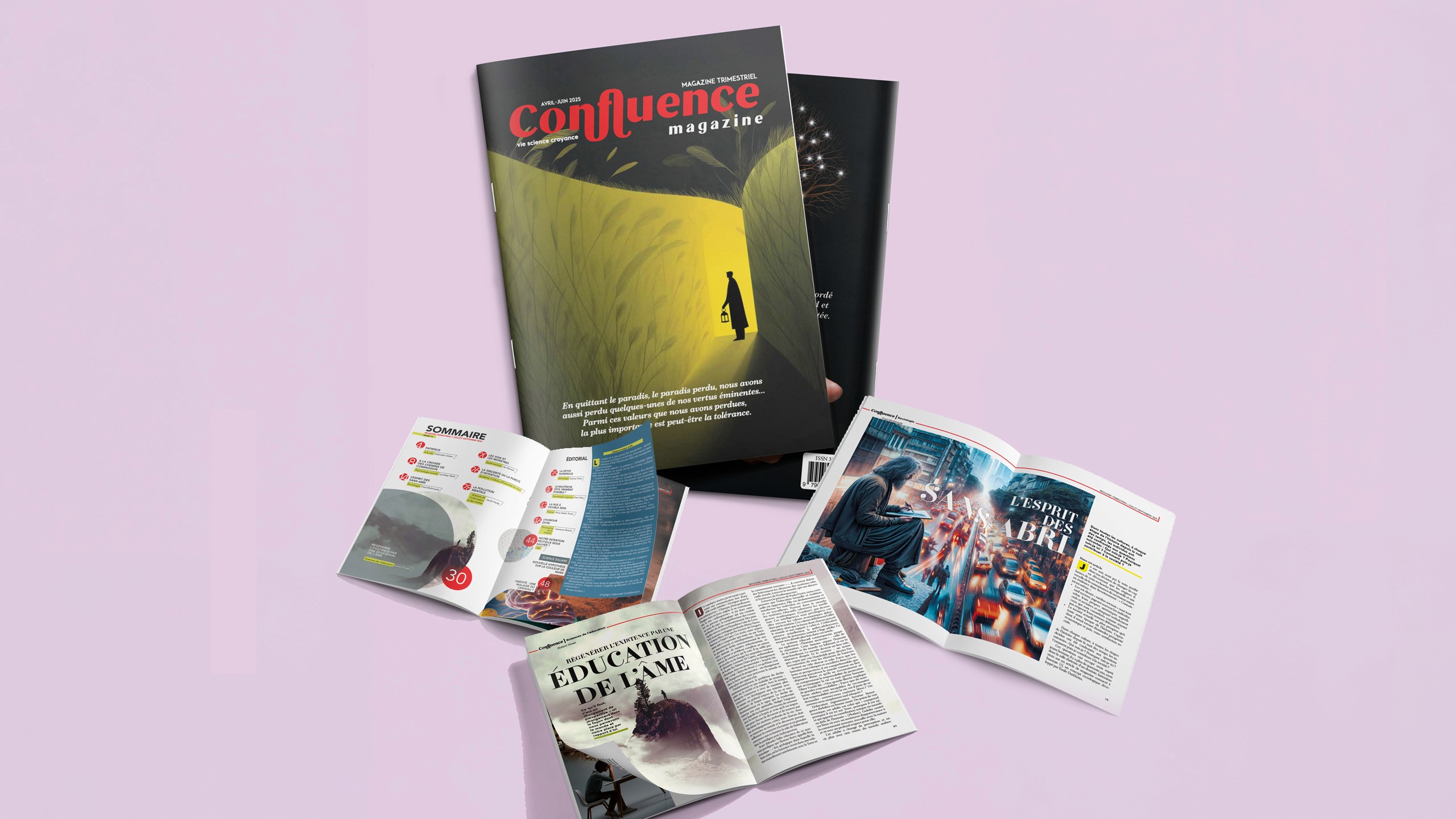
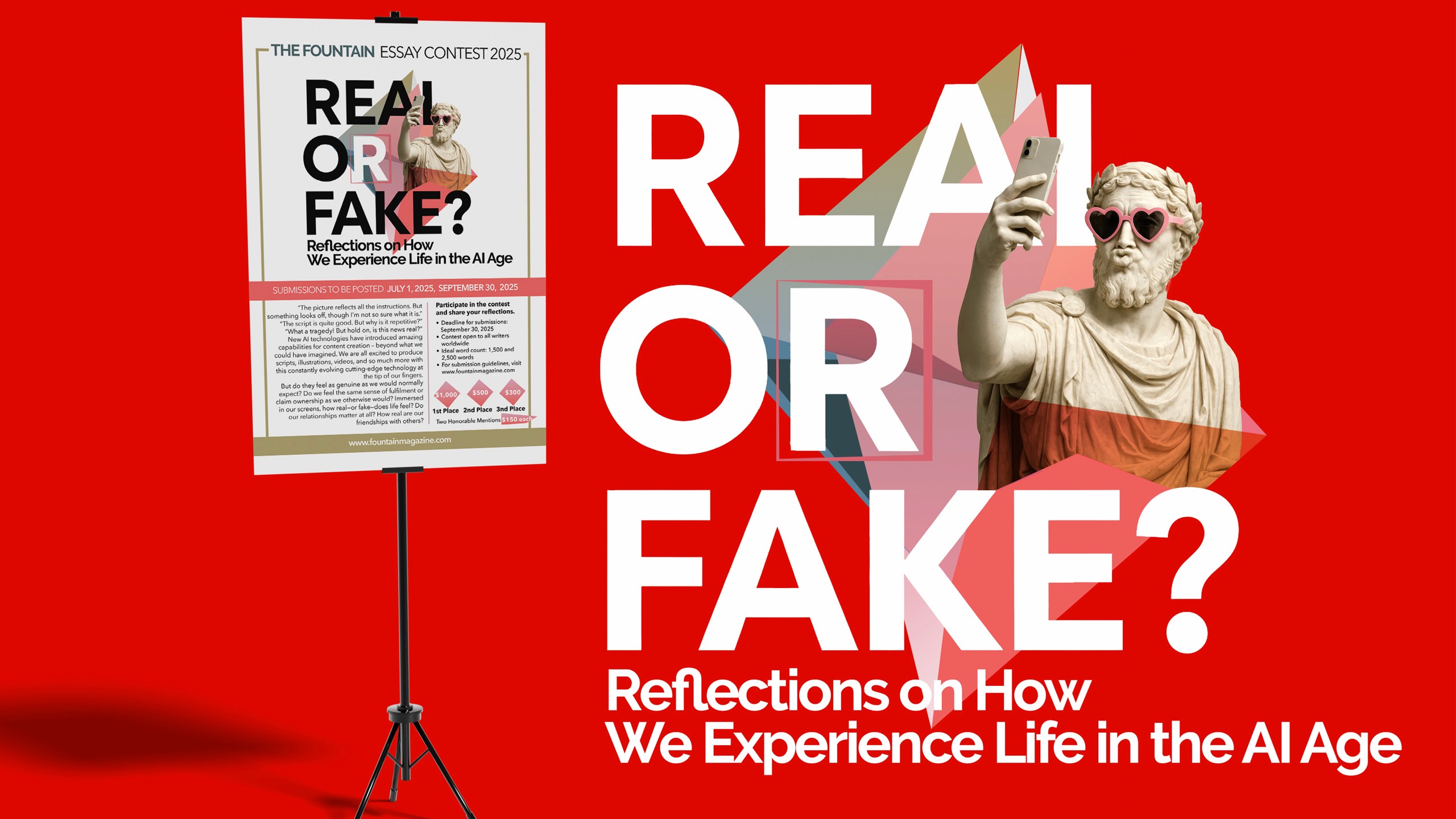
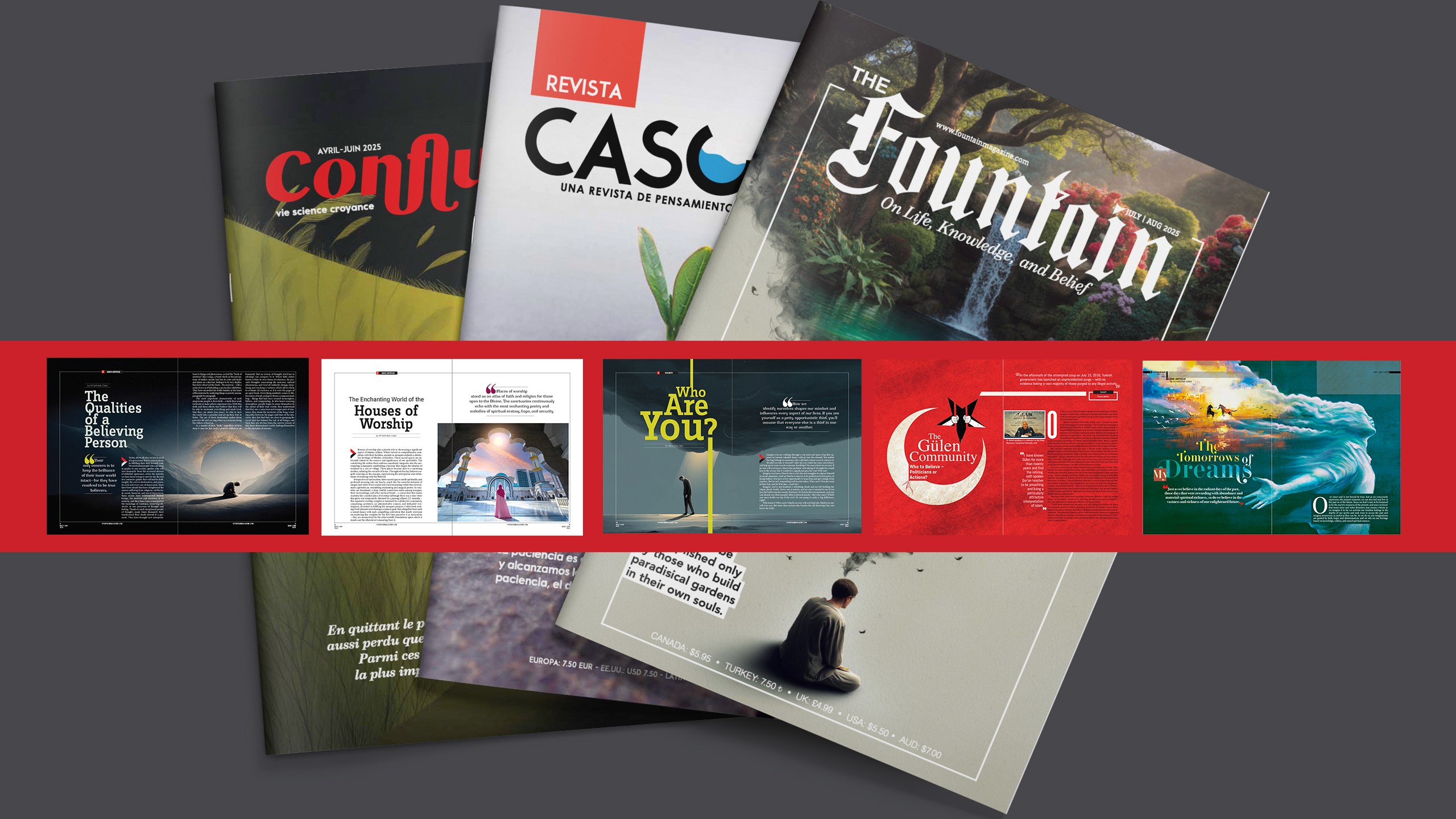
The Fountain Magazine (English), Revista Cascada (Spanish), Confluence Magazine (French), and Çağlayan (Turkish)… Designing for each of these publications required me to develop a unique philosophy that reflected different languages and lifestyles. For me, it was an invaluable experience—one that revealed how graphic design creates a universal language of its own. Though cultures and languages differ, I have witnessed how people unite under shared human values. This realization deepened both my sense of life’s meaning and my appreciation for the unifying power of design.
Goal - Purpose
Magazine publishing is where design becomes dialogue—uniting words, images, and cultures into a single shared experience. Each publication is more than pages bound together; it is a bridge between languages, communities, and values. Through editorial design, I have witnessed how stories can cross borders and how visual identity can turn diversity into connection.
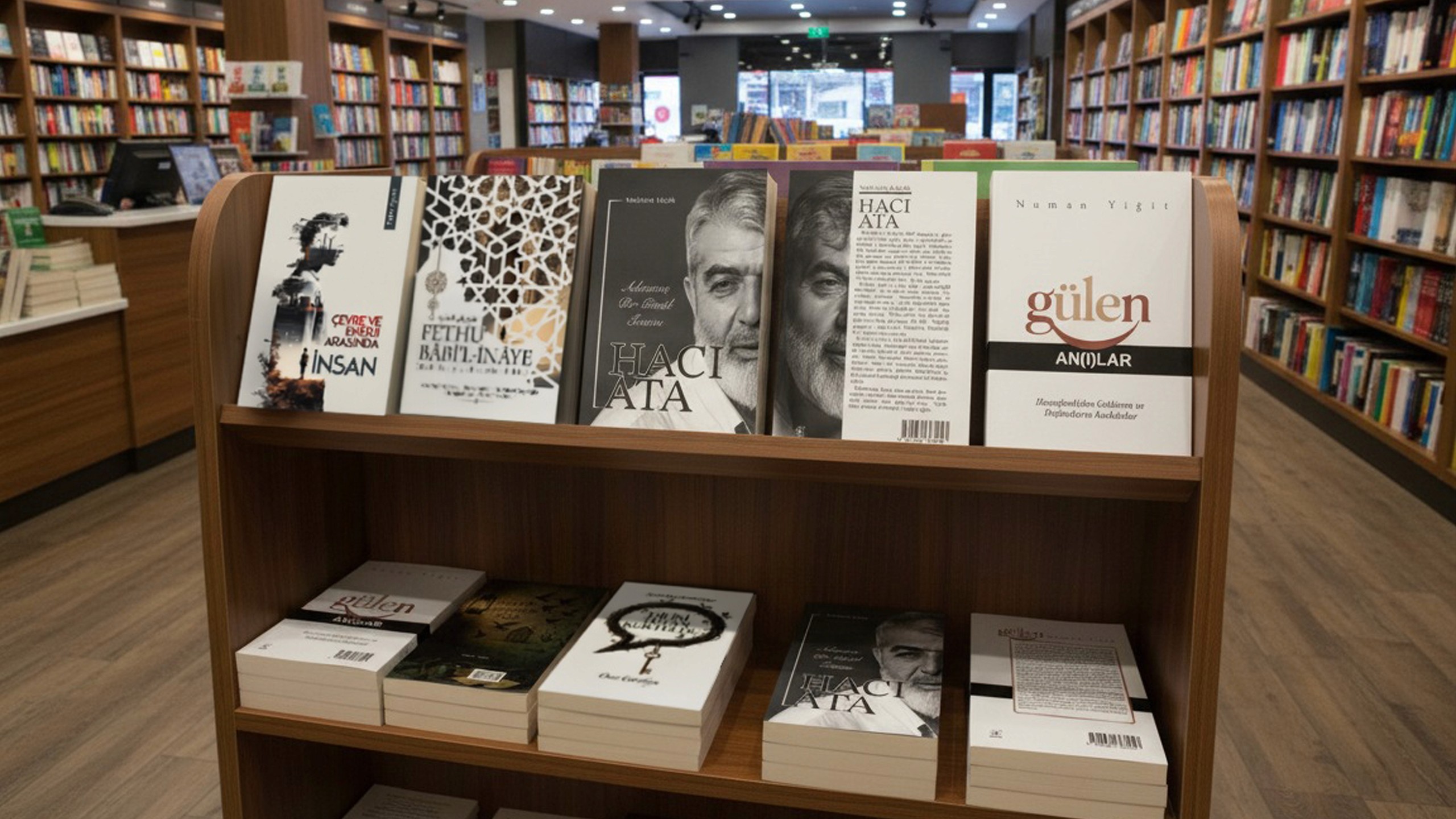
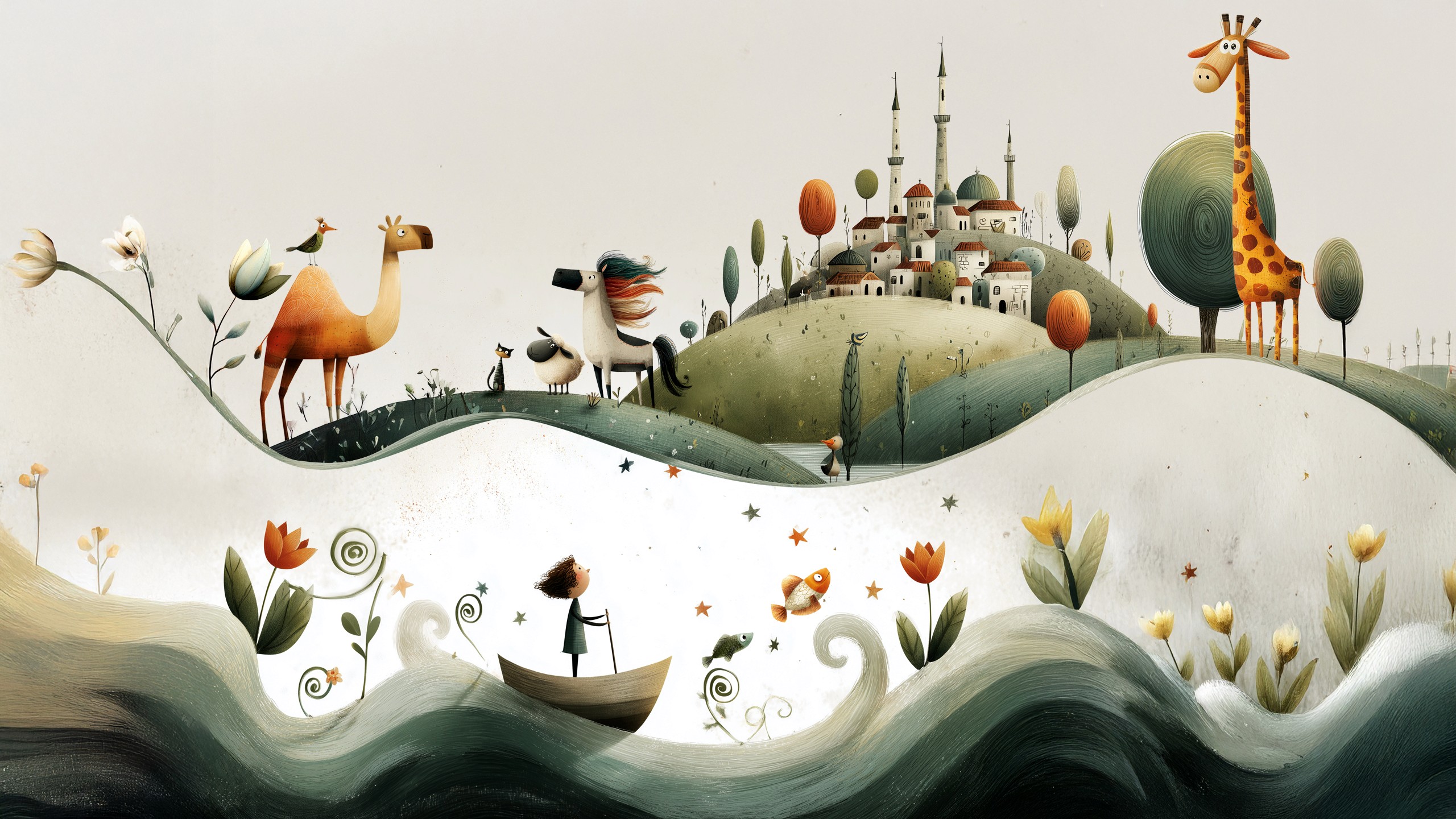
Reading an article to gain knowledge is one thing; reading it as a designer, to connect it with the reader in the right way, is something entirely different. One is about receiving, the other about facilitating. As a designer, I see myself as the organizer of this meeting—and discipline is essential, because without it, the connection simply doesn’t happen. Over the years, I have designed magazines across a wide range of categories: from children’s publications to literature, from technology to culture, from healthcare to education. I have never designed a single article without reading it first. Many times, I sat down with editors to discuss which approaches would most effectively bring a piece to its audience. I am grateful to all the publishing houses that trusted me with this responsibility and believed in my ability to deliver.
Product Images
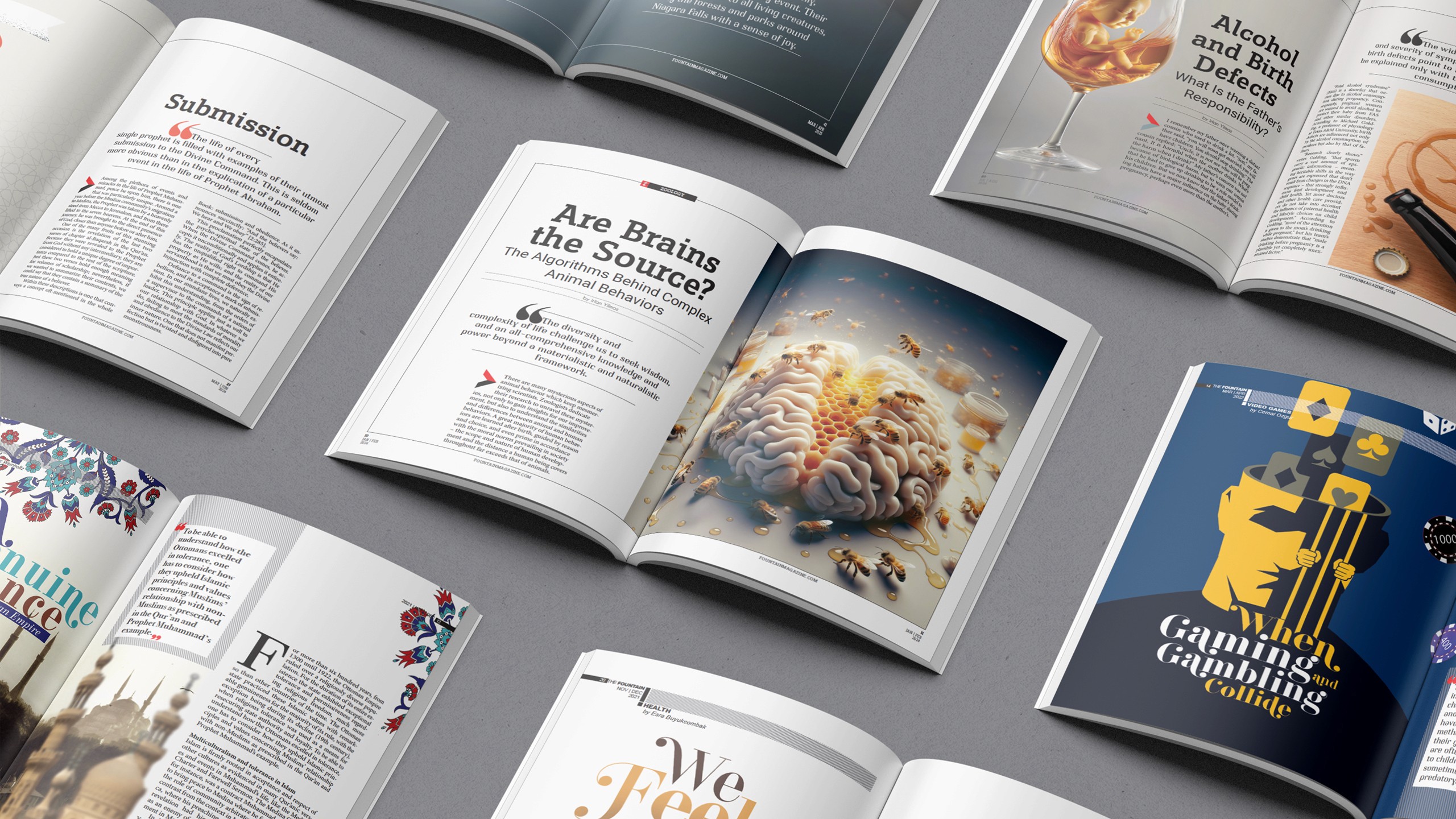
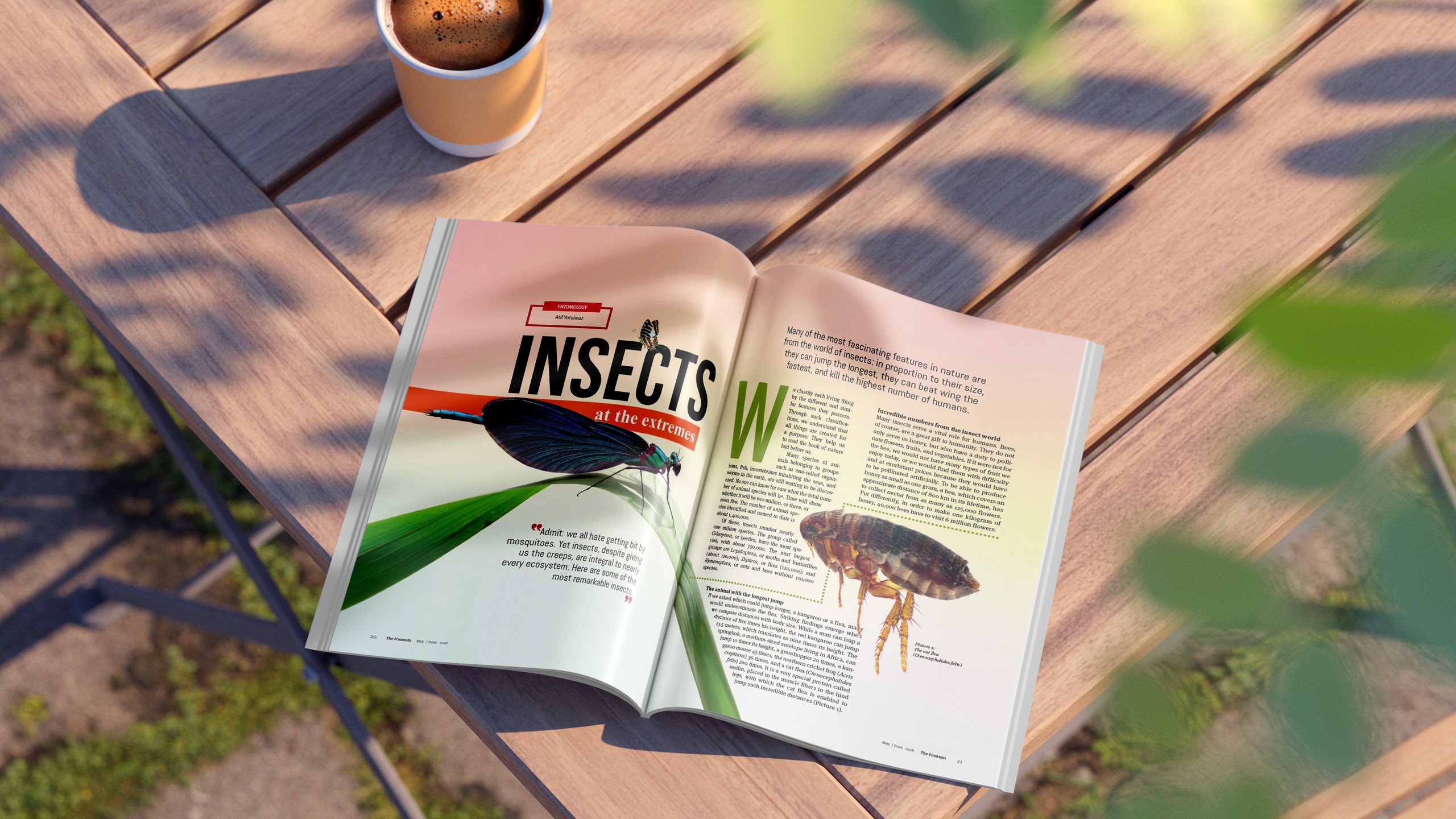
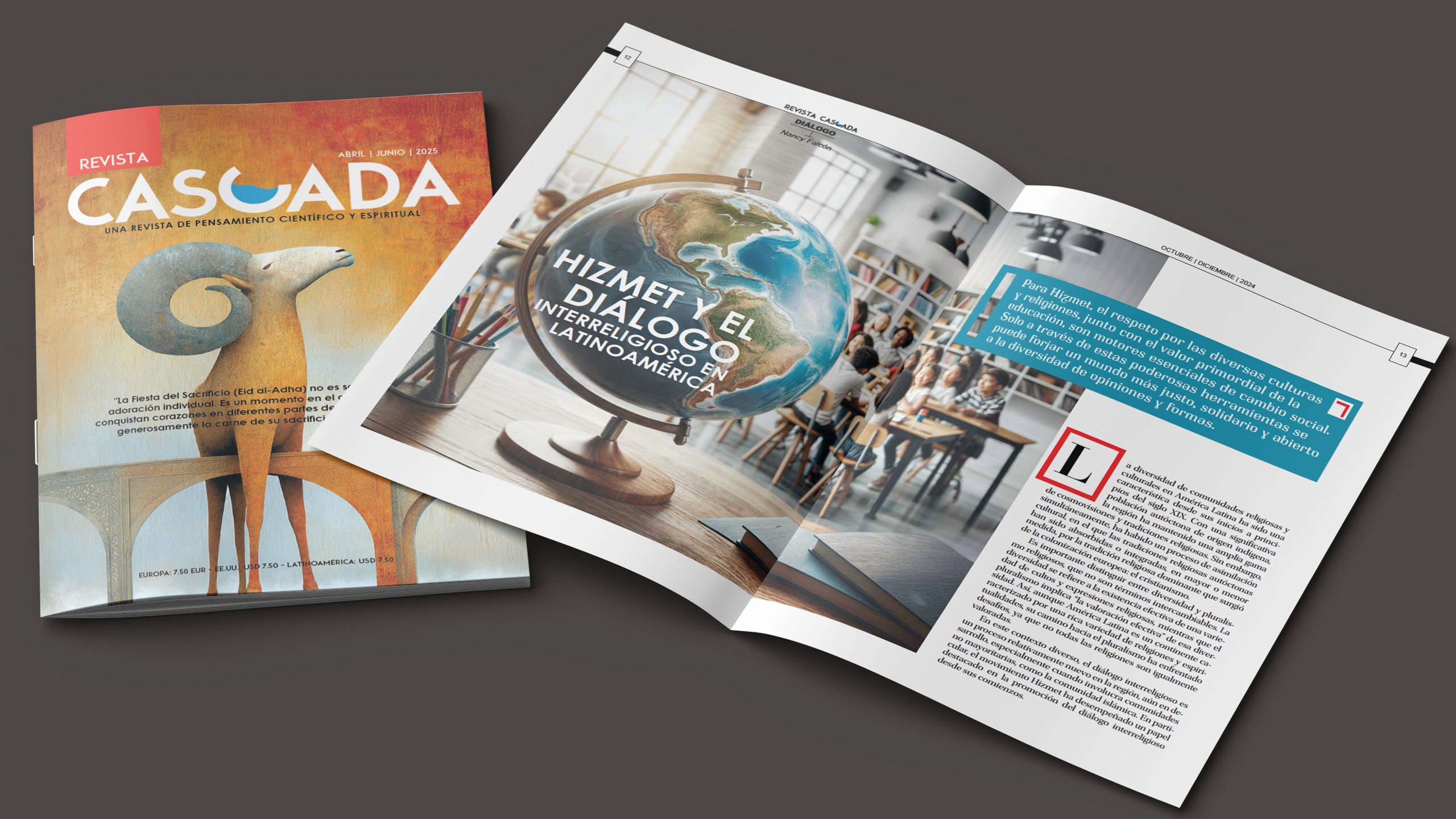
"Designing for different cultures and communities was a transformative experience that constantly pushed my limits. In the end, what my heart embraced with ease became proof of which aspects of my work had the greatest impact on me as a designer." — Sinan Ozdemir
Achievements
Sinan is one of the most talented graphic designers I've ever worked with. He is very innovative, follows global trends, promptly adopts new technology in his work, and most importantly, he enjoys his work.
— Fountain Magazine, Chief Editor of Paramus Publishing
The visual impact of my designs received high praise from critics and set new standards in the field of publication design. These innovative works left a lasting, positive impression on readers.
Through compelling and immersive visual experiences, the designs achieved a 53% increase in reader engagement. In addition, client satisfaction reached an impressive 99%, reflecting both the success of the collaboration and the quality of the final product. The work was recognized in various industry forums, and the positive impact of SNNERGY—still a young and growing design agency—has been both encouraging and inspiring, paving the way for even greater projects in the future.
Audience engagement
Satisfaction Rate