From A to Z: Book Cover Design
Published on
Reading Time
5 mins

A Practical Guide to Designing a Book Cover
Designing a book cover from start to finish is a vast subject. It cannot be fully explained in a single article. The purpose of this guide is different: to offer clear, essential insights that can serve as a bedside reference for designers who want to specialize in book cover design. Before anything else, it is important to understand that a healthy book cover design process is built on three main actors:
• The Author
• The Publisher
• The Designer
Each of these roles carries its own responsibilities. In this article, however, the primary focus is on the designer—because the designer’s role is to balance and translate the values of the other two into a meaningful visual outcome.
The Designer’s Responsibility
A designer can only be considered successful when the cover reflects:
• the author’s identity, voice, and positioning,
• the publisher’s brand values and marketing strategy,
• and the expectations of the target audience.
Otherwise, even the most visually polished cover becomes nothing more than a tool serving the designer’s ego. From a market perspective, such a cover is simply ineffective. Likewise, a manuscript that has not passed through the eyes and experience of a designer and a publisher is unlikely to succeed. A cover that ignores the author’s identity or the publisher’s positioning rarely delivers the desired result.
Why Covers Matter More Than We Admit
Every author wants to see their book smiling back at readers from the shelf. Whether consciously accepted or quietly denied, this is a universal truth. That first visual encounter creates an emotional dialogue between the book and the reader. Sometimes, that brief moment becomes the beginning of a long relationship—between the reader and the author. When this connection forms, the publisher also benefits, sustaining both presence and value in the market. This entire scenario depends on one key factor: a competent designer stepping in at the right moment.
“Books Are Judged by Their Covers”
This phrase has become almost proverbial in publishing. Yet it deserves a small correction. A more accurate version would be: People judge books by their covers. This judgment is often so powerful that it precedes the content, the author, and even the publisher. Some publishers have tried to break this effect by selling books with hidden or minimal covers—packaged to force readers to focus solely on content or brand recognition. While partially successful, these experiments never lasted long.
Why?
Because humans are visual beings. We perceive, understand, and decide through what we see. Colors and shapes reach the brain almost instantly, triggering emotional responses. Especially in printed publications, purchasing decisions are heavily influenced by this immediate visual impact. In the end, the conclusion is simple: Being judged by your cover is not bad news. The absence of judgment is far worse—it usually means the book was never noticed at all.

Why Authors Should Not Design Their Own Covers
An author should never design their own book cover. If you need good coffee, a quality coat, or a well-made soap, you don’t make them yourself—you go to a specialist. Book covers are no different. Yet many authors believe they are also capable designers. This often leads to well-intentioned but damaging outcomes—much like a family member attempting every household repair, only to make the situation worse. Eventually, a professional is called, and the problem is resolved properly. Leaving cover design to a professional is one of the healthiest decisions an author can make for their book.
The Publisher’s Perspective
For publishers, book cover design is a critical area. Publishing houses manage multiple formats—periodicals, books, marketing materials, and promotions. Ideally, they should work with specialized cover designers. In reality, rising costs and shrinking profit margins often push publishers to work with multi-disciplinary designers. While this may seem efficient, it overlooks an important truth: a skilled magazine designer is not automatically a strong cover designer, catalog designer, or web designer. Each discipline requires a different mindset and expertise. Recognizing this, many publishers now collaborate with freelance specialists or online design platforms for cover design—prioritizing expertise over convenience.
How Readers Actually Choose Books
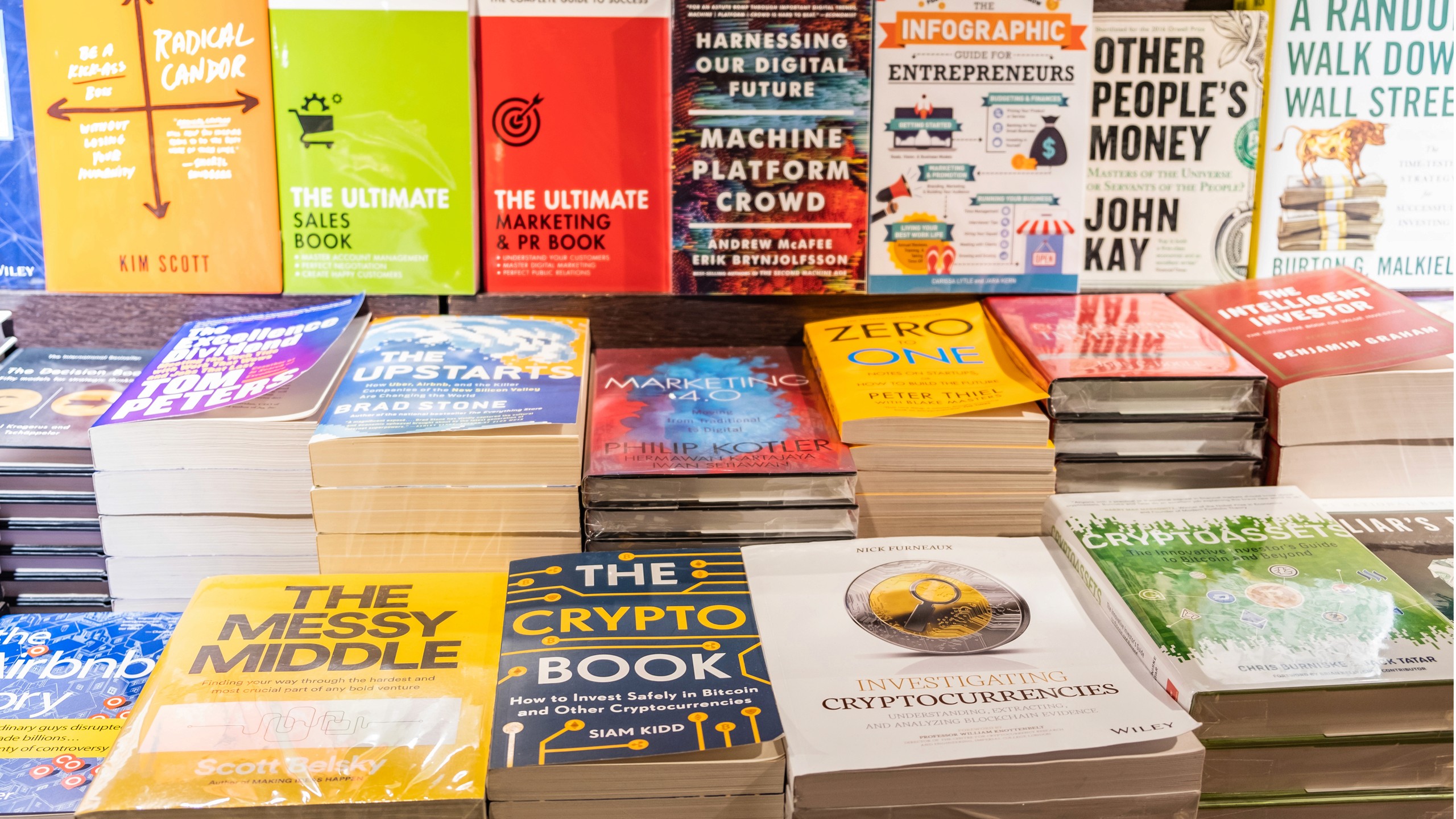
Long-term market observations and sales data show one thing clearly: Readers shop with their eyes. As they scan shelves, they look for familiarity—but they are also excited by something new, refreshing, and thought-provoking. Whether on a subway platform, a train seat, or a sunlit park bench, readers want a book that feels good to hold and rewarding to read. Designing a cover that meets this expectation is only possible through experience, awareness, and professional judgment.
Questions Every Designer Must Answer
Before starting a book cover design, the designer should clearly answer the following:
Who Is the Author?
Is this the author’s first book? Are they emerging, or already established? Do they have expectations about the cover? This information should guide the designer—not pressure them.
What Is the Genre?
Publishing is ultimately commercial. Genres such as romance, science fiction, fantasy, religion, or non-fiction come with established visual languages. Every design element must align with the book’s genre positioning.
Where Will the Book Be Sold?
A cover designed for print may fail in digital environments. On platforms like Amazon, covers are often displayed as thumbnails. A design that works beautifully in print may lose all impact at small sizes. Designers must anticipate this reality from the start.
Staying Current Without Chasing Trends
Design trends, reader habits, and marketing strategies constantly evolve. Colors, shapes, and typography shift with time. A good designer stays informed—but does not blindly chase trends. Instead, they understand the landscape, adapt thoughtfully, and remain ready to produce work that feels both relevant and enduring.