Artificial Art, Authentic Intelligence
Published on
Reading Time
5 mins
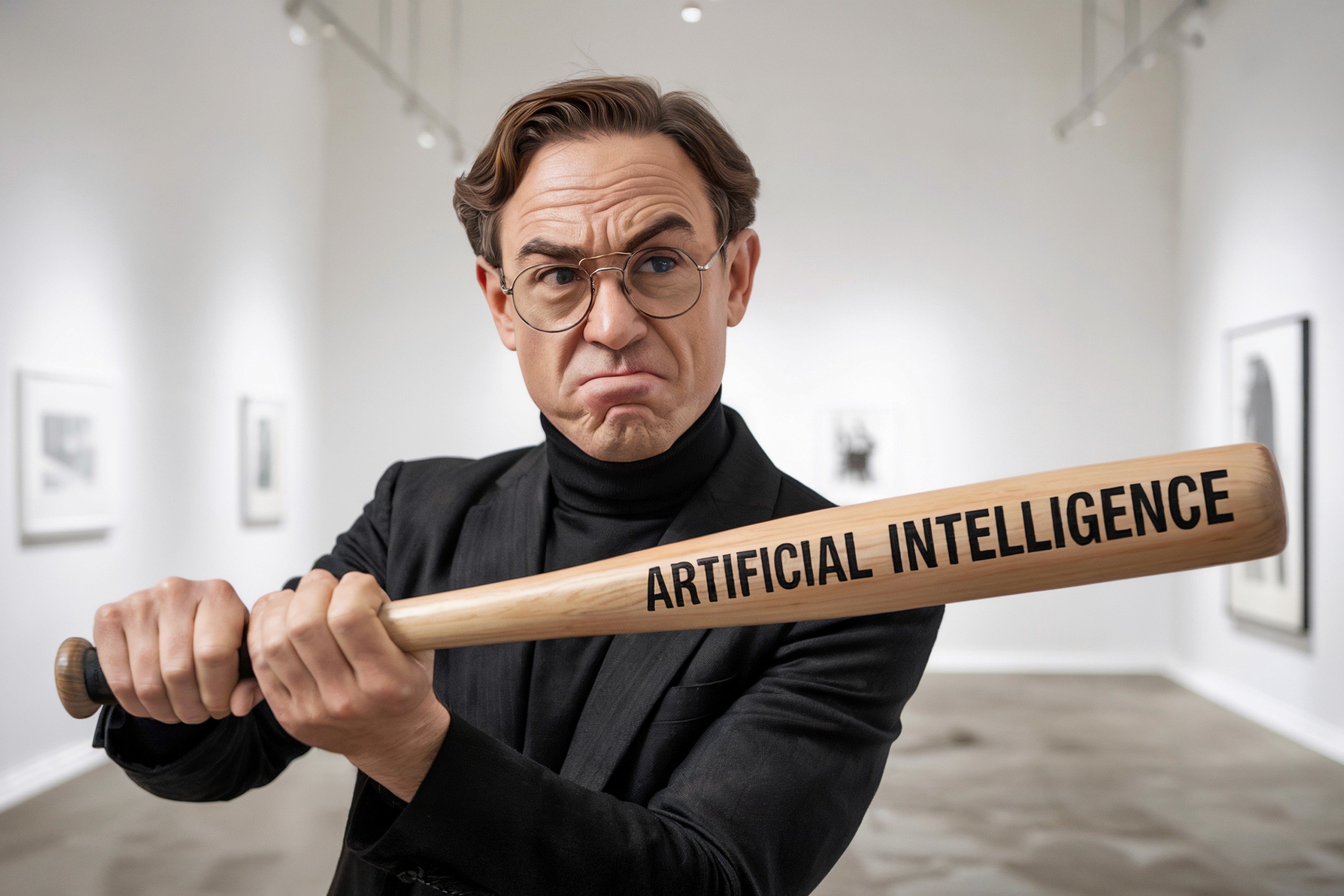
From past to present, criticism has always struck designers like a cold shower. In dictionaries, it is defined as the act of examining a person, a work, or a subject by pointing out its right and wrong aspects. In essence, it is a concept rooted in selection, filtering, and differentiation. To me, criticism is like a stick: the more you can withstand it, the more mature your artistic vision becomes. Every era has had its own critics and their peculiar sticks. Today, without doubt, the newest stick is artificial intelligence.
I hesitated for a long time before choosing the title “Artificial Art, Authentic Intelligence.” The fear of being misunderstood—or of having one’s intended meaning twisted—is something designers constantly feel, especially when dealing with bold titles like this one.
Since the beginning of human existence, the sources of inspiration, emotion, and thought that shape the works of millions of artists—known or unknown—remain mysterious and deeply personal. The force that compelled a prehistoric group to draw scenes of war and love on cave walls is no different from the force that moves a modern artist while composing a model or an idea. Both stem from the same origin: the Creator. In my view, everything visible and invisible in the universe has one source, and the question of how much of this magnificent creation an artist can model will always occupy our minds. This perspective forms the foundation of my design philosophy. We humans imitate the flawless works of the true Artist, reshaping them through our own interpretations. We cannot create something out of nothing; but we can blend what already exists with our intuition and give it a new form. This is not “creation,” but “interpretation.”
For this reason, all artworks on Earth are inevitably imitations—artificial in nature. What gives these imitations strength, however, is the artist’s intelligence-driven interpretive will. Van Gogh’s Starry Night, for example, is his interpretation of the dawn sky he saw from the east-facing window of his room in the sanatorium. Today considered priceless, the painting represents a reimagined sky through the artist’s eyes. The same can be said of da Vinci’s Mona Lisa, Michelangelo’s David, Picasso’s Guernica, or of works that have defied centuries: bridges, cathedrals, mosques, stadiums, pyramids… All are masterful reinterpretations of known tools and materials. And because our works are interpretations built upon previous creations, they are naturally open to criticism.
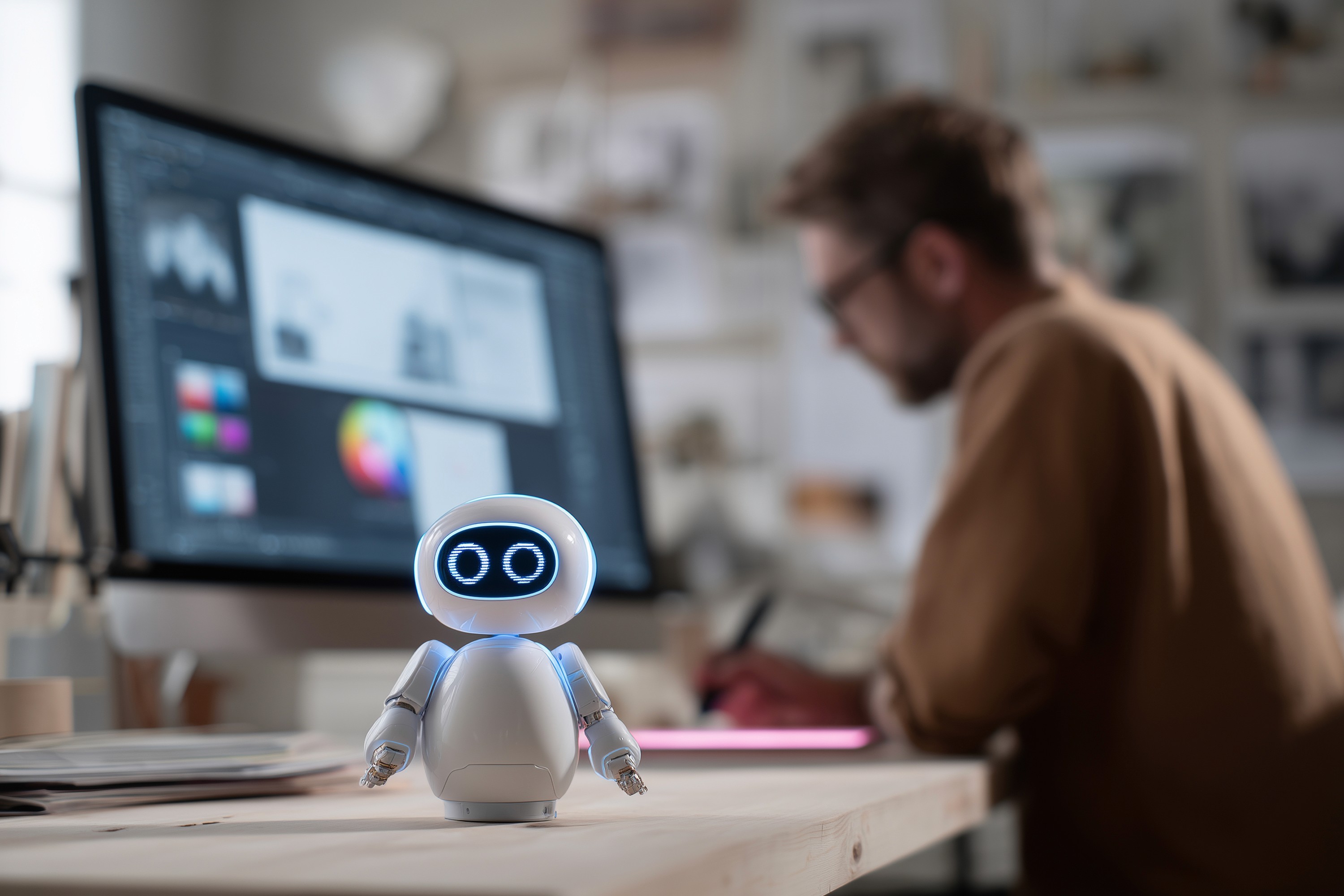
Clear and visible targets are always attacked the most. Every human-made work is a layered reflection of divine artistry. Criticism diminishes as one approaches the source, and grows as one moves away from it. The closer an artwork is to the uniqueness of its inspiration, the more originality, rarity, and awe it conveys. No one dares easily criticize a universally admired masterpiece; few are willing to risk it. Even one of God’s perfect creations—Prophet Adam—was exposed to criticism at the very moment of creation: “Will You create someone who will cause corruption and shed blood on earth?” (Al-Baqarah, 30). The ones who voiced this concern then praised both the Creator and His creation. The one who took criticism beyond its proper boundary—Iblis—belittled the act of creation: “Should I bow to one whom You created from clay?” (Al-Isrā’, 61). As a result, he was condemned. This example offers crucial insight into the proper measure, tone, and limits of criticism. One can express critique without belittling the creator of the work; otherwise, criticism becomes disrespectful—first to the work, then to its maker.
Because every artwork is a reflection of its source, it inevitably contains flaws arising from the artist’s interpretation. These “flaws” vary depending on the society, culture, and time in which the work is evaluated. Van Gogh’s paintings, for example, violated the aesthetic norms of his era: his bold brushstrokes and vibrant, dreamlike colors were labeled “rough,” “strange,” and “incomprehensible.” Yet today, those very techniques are praised, studied, and celebrated. The same trajectory applies to countless artists once dismissed but now revered as geniuses. All these examples reveal how slippery criticism becomes when detached from its context.
Criticism is not merely an aesthetic judgment; it must be considered alongside the story of how a work came into being. No critique is entirely objective—critics often speak as the voice of their era. To avoid turning this essay into a critique of critics, I prefer to redirect the focus. My primary intention here is to address artificial intelligence—a concept that has become the new target of criticism in today’s digital and globalized world. As I noted earlier, the “modern stick” of critics is AI, and it now sits at the center of artistic debates. AI-generated works are intensifying discussions about “art,” “originality,” and “human labor,” giving rise to new arenas of criticism that reflect the spirit, anxieties, and cultural conflicts of our time. My concern is that humanity might repeat past mistakes, leaving future generations burdened with yet another cycle of unnecessary fear and wasted time.
Over nearly thirty years of professional life in design and graphics, I have witnessed numerous transformations. I have always tried to adapt to the tools of each era. When I first began, even preparing a simple page for print was a demanding, multi-step ordeal: a clean text, a legible font, a basic graphic, a decent printing machine, metal typeset plates… And even then, the final result often fell short of true satisfaction. Then came computers, printers, graphic software, color work—until today, where we now move at a pace comparable to light speed relative to previous centuries.
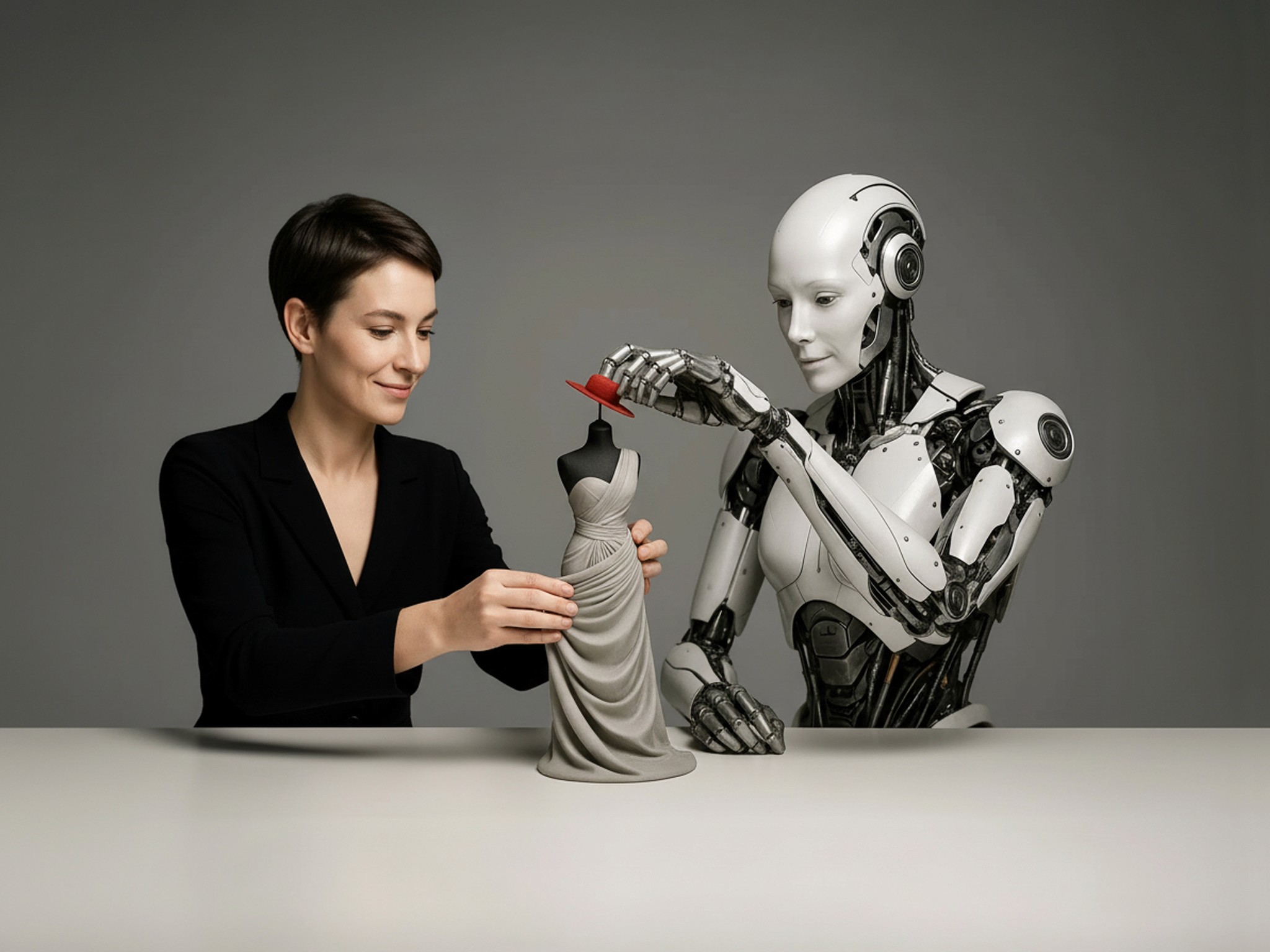
Having personally lived through all these phases, I have seen that the worries voiced at the beginning of each technological shift almost always proved unnecessary. Likewise, I believe that most of today’s fears surrounding AI—from someone who already uses AI systems as reliable work partners in daily production—are largely unrealistic. For me, the important question is not whether something was produced by AI, but whether it is accurate, aesthetic, effective, and safe. If those criteria are met, the method becomes secondary.
Concerns about originality, authenticity, commodification, standardization, copyright, and the disappearance of human labor existed long before AI. Fake recordings, manipulated videos, deceptive scripts—these have always distorted truth and obstructed justice. AI has merely made these concerns more visible and has actually supplied us with concrete tools to address them. In my view, the real fear is the belief that AI will eliminate countless professions and take people’s jobs. The most accurate response to this fear is captured in the words of Prof. Dr. Can Erbil:
“Artificial intelligence will not take your job; someone who uses artificial intelligence well will.”